
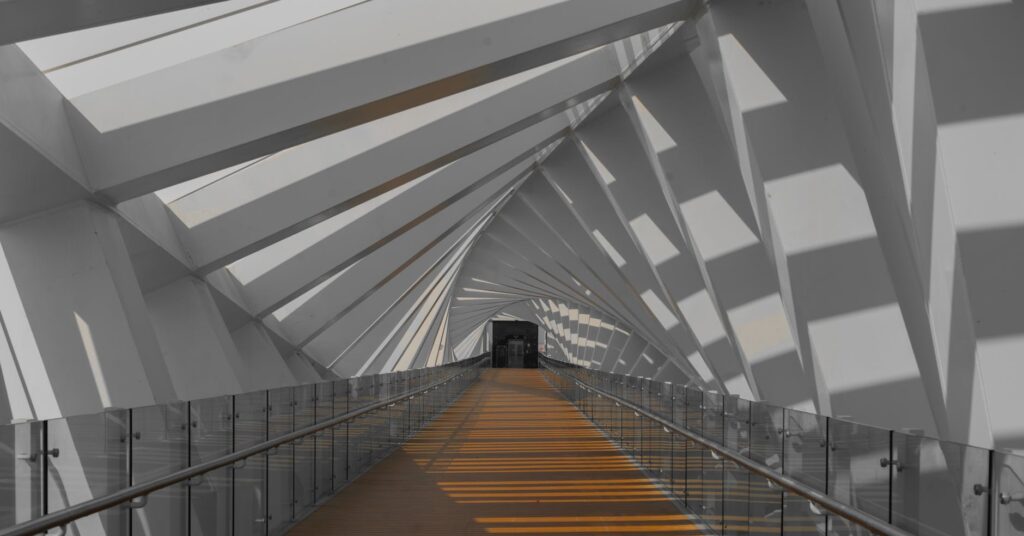
The world is increasingly aware of the urgent need to address climate change and environmental degradation. Consumers are demanding more sustainable products and practices, and businesses are facing growing pressure to reduce their environmental footprint. This shift isn’t just a trend; it’s a fundamental transformation driven by innovation and a growing recognition of the interconnectedness between economic prosperity and planetary health. Green design, encompassing everything from building materials to urban planning, is at the forefront of this movement. It’s about creating spaces and systems that minimize negative impacts while maximizing positive contributions to the environment and society. This article explores 30 Sustainable Projects Leading the Way for Green Design. We’ll delve into specific initiatives, examining their successes, challenges, and the broader implications for a more resilient future. It’s a roadmap for those seeking to integrate sustainability into their core operations and contribute to a greener world.
The Pillars of Sustainable Design
Before examining specific projects, it’s helpful to understand the core principles underpinning sustainable design. It’s rarely about a single solution; rather, it’s a holistic approach that considers the entire lifecycle of a product or building. Key elements include:
- Material Selection: Prioritizing recycled, renewable, and locally sourced materials reduces reliance on resource-intensive manufacturing and transportation.
- Energy Efficiency: Designing buildings and systems to minimize energy consumption through passive design strategies, efficient insulation, and renewable energy integration.
- Water Conservation: Implementing water-efficient fixtures, rainwater harvesting systems, and greywater recycling.
- Waste Reduction: Designing for disassembly, promoting circular economy principles, and minimizing construction and demolition waste.
- Indoor Environmental Quality: Focusing on natural light, ventilation, and materials that promote occupant health and well-being.
- Biodiversity & Ecosystem Services: Considering the impact on local ecosystems and incorporating green infrastructure to enhance biodiversity and provide ecosystem services.
15 Projects Shaping the Future of Green Design
Let’s now explore 15 distinct projects that exemplify these principles and demonstrate the tangible impact of sustainable design.
- The Bosco Verticale (Milan, Italy): This striking residential tower utilizes a modular system of timber and living walls, creating a self-sustaining ecosystem within a building. It’s a prime example of biophilic design, integrating nature into urban environments.
- Green Roofs for Healthy Homes (Various Locations): These projects install green roofs on buildings, providing insulation, reducing stormwater runoff, and creating habitats for pollinators. They’re increasingly popular in urban areas seeking to mitigate the urban heat island effect.
- Net Zero Energy Buildings in Iceland: Iceland’s commitment to renewable energy is evident in its buildings. Many homes and commercial spaces are designed to generate enough electricity to meet their own needs, significantly reducing reliance on fossil fuels.
- The Portland Office Building’s Passive House Standard: This building achieved Passive House certification, demonstrating a rigorous approach to energy efficiency through airtight construction, high-performance insulation, and advanced ventilation systems.
- Circular Economy Initiatives in Amsterdam: Amsterdam is actively promoting a circular economy through initiatives like material exchange programs and the development of closed-loop systems for construction and demolition waste.
- Living Walls in Urban Farms: Many urban farms are incorporating living walls to improve air quality, reduce stormwater runoff, and create aesthetically pleasing spaces. These projects are demonstrating the potential of green infrastructure in urban settings.
- Reclaimed Wood Construction in the UK: A growing movement is utilizing reclaimed wood for construction, reducing the demand for new timber and diverting waste from landfills. This practice supports local economies and reduces the carbon footprint of the industry.
- Solar Panel Integration in Affordable Housing: Developers are increasingly incorporating solar panels into affordable housing projects, providing residents with access to clean energy and reducing their reliance on the grid.
- Rainwater Harvesting Systems in Schools: Schools across the globe are implementing rainwater harvesting systems to reduce water consumption and provide a valuable resource for irrigation and non-potable uses.
- Biomimicry in Building Design: Researchers are employing biomimicry – learning from nature – to inspire innovative building designs. For example, some buildings are designed to mimic the structure of termite mounds for natural ventilation.
- Sustainable Concrete Production: Significant research and development are focused on creating more sustainable concrete mixes using recycled aggregates, supplementary cementitious materials, and reducing the carbon footprint of cement production.
- Green Infrastructure Projects in Florida: Florida’s coastal wetlands are being revitalized through green infrastructure projects, including restored mangrove forests and constructed wetlands, to protect shorelines and enhance biodiversity.
- Modular Construction with Sustainable Materials: Modular construction techniques, utilizing prefabricated components made from sustainable materials, are reducing waste and construction time while minimizing environmental impact.
- Vertical Farming Systems in Urban Centers: Vertical farms are popping up in cities, providing locally sourced food and reducing the need for long-distance transportation. These systems often utilize hydroponics and aeroponics.
- Building Materials Made from Agricultural Waste: Innovative projects are utilizing agricultural waste products like rice husks and hemp stalks to create sustainable building materials, reducing landfill waste and promoting a circular economy.
10 Projects Focused on Reducing Carbon Footprint
Beyond the immediate benefits of green design, several projects are directly addressing the challenge of climate change.
- Carbon Capture and Storage (CCS) Initiatives: While still developing, CCS technologies are being explored for industrial facilities and power plants to capture and store carbon dioxide emissions.
- Renewable Energy Grid Modernization: Investing in smart grids and distributed renewable energy sources (solar, wind) is crucial for stabilizing the energy supply and reducing reliance on fossil fuels.
- Forest Restoration Projects: Large-scale forest restoration projects are actively replanting trees and restoring degraded ecosystems, sequestering carbon and enhancing biodiversity.
- Sustainable Transportation Planning: Cities are implementing policies and infrastructure investments to promote public transportation, cycling, and walking, reducing reliance on private vehicles.
- Green Building Codes and Standards: Governments worldwide are enacting stricter building codes and standards that require higher levels of energy efficiency and the use of sustainable materials.
- Carbon Offset Programs: Individuals and businesses can invest in carbon offset programs to compensate for their emissions, supporting projects that reduce greenhouse gas emissions elsewhere.
- Sustainable Land Management Practices: Implementing practices like agroforestry and soil conservation helps to sequester carbon in the soil and improve land productivity.
- Waste-to-Energy Technologies: Advanced waste-to-energy technologies are converting waste into electricity and heat, reducing landfill waste and generating renewable energy.
- Building Retrofits for Energy Efficiency: Retrofitting existing buildings with energy-efficient upgrades (insulation, windows, HVAC systems) can significantly reduce energy consumption.
- Community-Based Renewable Energy Projects: Local communities are increasingly investing in their own renewable energy projects, such as solar farms and wind turbines, creating local jobs and promoting energy independence.
The Role of Policy and Innovation
The success of sustainable design initiatives hinges not only on technological innovation but also on supportive policies and a culture of innovation. Government incentives, tax breaks, and regulations can accelerate the adoption of sustainable practices. Furthermore, fostering collaboration between researchers, businesses, and policymakers is essential for driving progress. Investment in research and development, particularly in areas like biomimicry and sustainable materials, is crucial for unlocking new possibilities. Education and awareness campaigns are also vital for promoting sustainable behavior and encouraging consumers to make informed choices. The future of green design is inextricably linked to a commitment to continuous improvement and a willingness to embrace new technologies and approaches.
Looking Ahead: The Next Wave of Sustainable Innovation
The 30 projects outlined above represent just a fraction of the innovative solutions emerging in the field of sustainable design. Looking ahead, we can anticipate further advancements in areas such as:
- Digital Twins: Using digital twins to simulate and optimize building performance, reducing waste and improving energy efficiency.
- Biomimicry at Scale: Applying biomimicry principles to design entire systems, mimicking natural processes for enhanced performance.
- Decentralized Energy Systems: Expanding the use of distributed energy systems, such as microgrids and rooftop solar, to enhance resilience and reduce reliance on centralized grids.
- Circular Economy Platforms: Developing platforms that connect businesses with recycled materials and facilitate the reuse and recycling of products.
Ultimately, the transition to a sustainable future requires a fundamental shift in how we design, build, and operate our world. By embracing these 30 projects and fostering a culture of innovation, we can create a more resilient, equitable, and environmentally responsible future for all.