
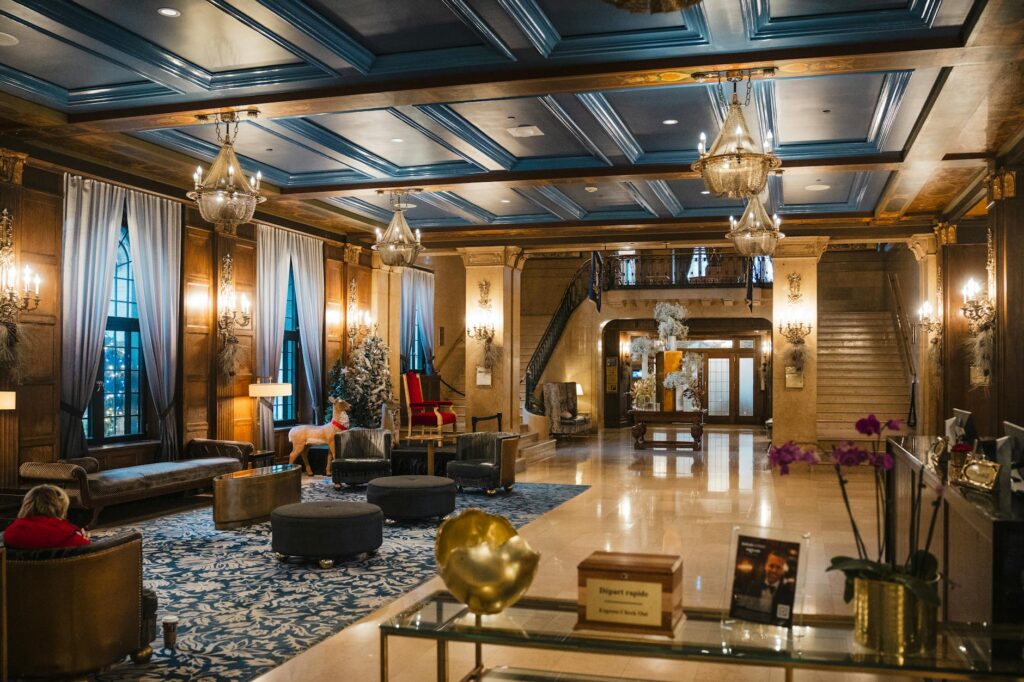
Let’s face it – hotel lobbies are more than just places to wait. They’re the first impression, the gateway to a guest’s experience, and a crucial element in shaping their perception of the entire hotel. Much like high-end restaurant interiors such as Gao Architects’ Philosophical Asian Restaurant Han, a lobby must tell a story and immerse guests from the very first step inside. A well-designed lobby isn’t just about aesthetics; it’s about creating a welcoming, luxurious, and memorable space that encourages guests to linger, explore, and ultimately, book a stay. It’s a strategic design element, demanding careful consideration of lighting, materials, furniture, and overall atmosphere. This article dives deep into 30 compelling hotel lobby designs, exploring the principles behind their success and offering insights for architects and designers looking to elevate their projects. We’ll move beyond simply listing styles and instead focus on the why behind each design, highlighting how they achieve a specific effect and how they can be adapted to diverse hotel brands and budgets. Ultimately, we’ll explore how to create lobbies that truly resonate with guests and contribute to a positive brand image.
The Importance of a Strategic Lobby
Before we delve into specific designs, it’s vital to understand why a lobby is so important. It’s the central hub of a hotel, a place where guests first encounter the brand and begin to understand the overall experience. A poorly designed lobby can create a sense of unease, overwhelm, or simply detract from the hotel’s overall appeal. Conversely, a thoughtfully crafted lobby can be a destination in itself, offering a comfortable space for relaxation, information, and connection. Effective lobby design directly impacts guest satisfaction, positive reviews, and ultimately, the hotel’s profitability. In fact, several leading firms highlighted in Announcing Interior Design’s 2025 Hospitality Giants consistently prioritize lobby innovation as a core brand strategy. It’s a significant investment, but one that yields substantial returns. Consider the impact on brand perception – a sleek, modern lobby can project a contemporary and sophisticated image, while a more traditional design can evoke a sense of history and luxury. Furthermore, a well-designed lobby often acts as a focal point for digital experiences, integrating technology seamlessly to enhance the guest journey.
30 Lobby Design Concepts to Inspire
Let’s explore 30 distinct lobby designs, categorized by their overall feel and key features. These aren’t just about visual aesthetics; each design incorporates specific strategies to achieve a particular effect.
- The Minimalist Sanctuary: This design prioritizes clean lines, neutral tones, and ample natural light. Large, comfortable seating areas are minimized, replaced by a focus on thoughtful lighting and subtle textures. It’s a calming space designed for relaxation and reflection.
- The Art Deco Revival: Inspired by the glamour of the 1920s, this lobby features geometric patterns, rich wood tones, and luxurious materials like velvet and marble. It’s a classic choice that exudes sophistication and timeless elegance.
- The Tropical Oasis: Bringing the outdoors in, this lobby utilizes lush greenery, natural materials like bamboo and rattan, and vibrant colors. It’s designed to evoke a sense of warmth and tranquility, perfect for a destination hotel.
- The Scandinavian Simplicity: Rooted in functionality and comfort, this lobby features light wood finishes, open spaces, and a focus on natural light. This calming approach closely aligns with the principles seen in 9 Japandi Interior Design Styles Embracing Tranquility, where minimalism and warmth are thoughtfully balanced.
- The Urban Edge: This design incorporates industrial elements like exposed brick, metal accents, and a slightly gritty aesthetic. It’s a bold choice that appeals to a younger, trend-conscious demographic.
- The Heritage Gallery: This lobby showcases a curated collection of artwork and historical artifacts, creating a sense of place and connection to the hotel’s history. It’s a sophisticated and engaging space.
- The Interactive Welcome Station: A key element of modern lobbies is the integration of technology. This design features interactive kiosks, digital displays, and comfortable seating areas for guest information and assistance.
- The Flowing River: This design utilizes water features – fountains, waterfalls, or even a small indoor stream – to create a sense of movement and tranquility. It’s a visually stunning and relaxing space.
- The Velvet Embrace: This design embraces luxurious textures with a heavy emphasis on velvet upholstery, plush carpets, and deep, rich colors. It’s a supremely comfortable and inviting space.
- The Botanical Retreat: Bringing the beauty of nature indoors, this lobby incorporates lush plants, hanging baskets, and a calming color palette inspired by the natural world.
- The Statement Lighting: A well-designed lobby is defined by its lighting. Dramatic uplighting, accent lighting, and strategically placed spotlights can transform a space and create a focal point.
- The Modular Furniture: Using a mix of modular furniture pieces allows for flexibility and adaptability. This design can easily be reconfigured to accommodate different events and guest needs.
- The Textured Walls: Employing textured wall finishes – think plaster, wood paneling, or even a subtle mosaic – adds depth and visual interest to a lobby.
- The Circular Design: A circular lobby can feel more welcoming and less imposing than a linear design. It encourages guests to move through the space in a more relaxed manner.
- The Color Story Focus: A carefully chosen color palette – often incorporating blues, greens, and neutrals – can create a specific mood and enhance the overall aesthetic.
- The Sensory Experience: Incorporating elements that stimulate the senses – subtle scents, soft music, and comfortable textures – can create a more memorable and engaging experience.
- The Hidden Oasis: A small, secluded area within the lobby can provide a quiet respite for guests who need a moment to recharge.
- The Vertical Garden: A living wall or vertical garden adds a touch of nature and can improve air quality.
- The Mirror Effect: Strategically placed mirrors can create the illusion of more space and reflect light, enhancing the brightness of the lobby.
- The Interactive Map: A large, interactive map can provide guests with information about the hotel’s location and amenities.
- The Pop Art Accent: A carefully chosen pop art element – a mural, a sculpture, or a piece of furniture – can add a touch of personality and visual interest.
- The Textured Floor: Using a textured floor material – like wood or stone – adds a tactile element and elevates the overall design.
- The Statement Mirror: A large, ornate mirror can be a focal point and add a touch of grandeur.
- The Natural Stone Accents: Incorporating natural stone elements – such as marble or granite – adds a sense of luxury and sophistication.
- The Warm Color Palette: Using warm colors like terracotta, ochre, and deep reds can create a welcoming and inviting atmosphere.
- The Geometric Patterns: Subtle geometric patterns can add visual interest and sophistication to a lobby.
- The Open Shelving: Open shelving can create a sense of spaciousness and allow guests to browse the hotel’s offerings.
- The Multi-Functional Furniture: Furniture that can serve multiple purposes – such as a bench that can also be used as a seating area – is a space-saving and versatile design.
- The Textured Walls – Wood Grain: Using wood grain textures on the walls adds warmth and a natural feel.
- The Digital Integration: Seamless integration of digital displays, interactive kiosks, and smart technology enhances the guest experience.
Beyond the Basics: Key Considerations for Lobby Design
Creating a truly exceptional lobby requires more than just aesthetics. Here are some key considerations:
- Brand Identity: The lobby should consistently reflect the hotel’s brand identity – its values, target audience, and overall aesthetic.
- User Experience (UX): Prioritize the guest experience. The lobby should be intuitive, comfortable, and easy to navigate.
- Accessibility: Ensure the lobby is accessible to guests with disabilities, complying with ADA guidelines.
- Sustainability: Consider incorporating sustainable materials and practices to minimize the lobby’s environmental impact.
- Budget: Establish a realistic budget and prioritize design elements that offer the greatest return on investment.
- Space Planning: Careful space planning is crucial for maximizing functionality and creating a welcoming atmosphere.
Technology Integration: The Future of Lobby Design
The lines between the physical and digital are blurring. Modern lobbies are increasingly incorporating technology to enhance the guest experience. Touchless entry systems, interactive kiosks, smart lighting, and personalized digital displays are just a few examples. These technologies not only streamline the guest journey but also provide valuable data insights for hotel management. Investing in these technologies is a key differentiator in today’s competitive market.
Conclusion: Designing for the Modern Traveler
Ultimately, a well-designed hotel lobby is more than just a space; it’s an experience. By understanding the principles of design, prioritizing the guest experience, and embracing technology, architects and designers can create lobbies that inspire, delight, and contribute to the success of their clients’ hotels. The goal is to transform a functional space into a truly memorable and valuable asset. Remember that a successful lobby is a reflection of the hotel’s overall brand and a key driver of guest satisfaction.