
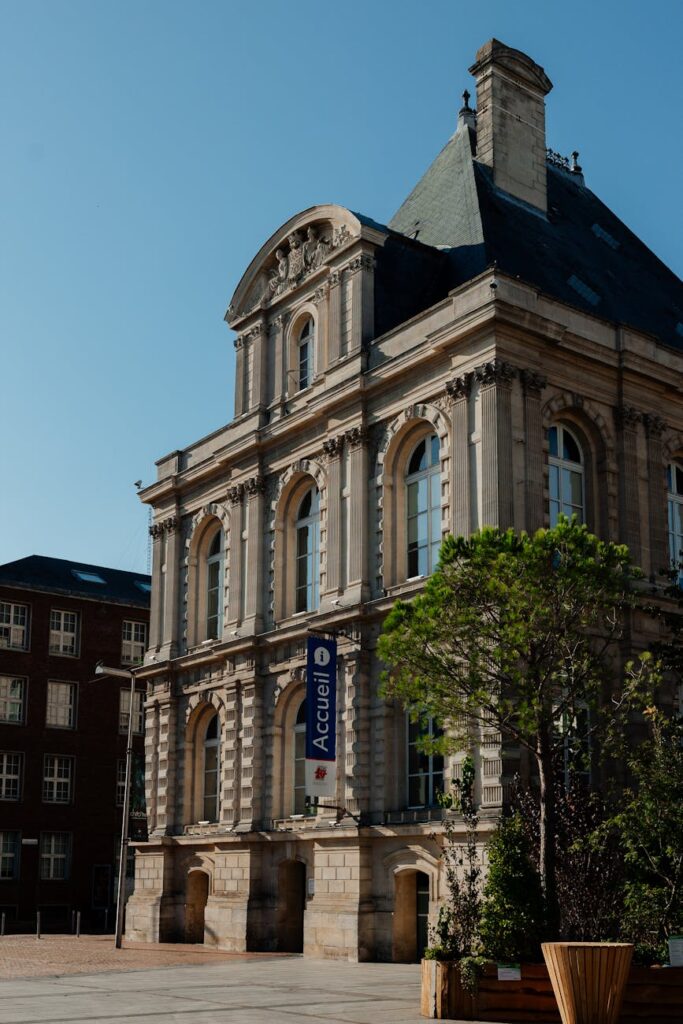
Building facades – they’re often overlooked, yet they’re the first impression a building makes on the world. They dictate how a building appears, how it’s perceived, and ultimately, how it’s used. A stunning facade can elevate a project, while a lackluster one can detract significantly. Today, we’re diving into 12 fantastic facade designs – ranging from classic elegance to modern innovation – to inspire and educate you about the possibilities. We’ll explore materials, techniques, and considerations that contribute to a truly impactful exterior. This isn’t just about aesthetics; understanding facade design is about creating a building that’s durable, sustainable, and reflects its intended purpose. Let’s explore some compelling options.
Understanding the Core Elements of a Great Facade
Before we jump into specific designs, it’s crucial to understand the key elements that contribute to a successful facade. A well-designed facade balances several factors:
-
Material Selection: This is arguably the most important aspect. The material dictates the facade’s durability, aesthetic appeal, and cost. Options include brick, stone, wood, metal, glass, and composite materials. Each has unique properties – brick offers thermal mass and a classic look, stone provides longevity and a natural texture, and glass offers transparency and light control.
-
Color Palette: Color significantly impacts the facade’s mood and perceived value. Neutral tones like grays, whites, and beiges are versatile and often preferred for their ability to blend with the surrounding environment. However, strategically chosen accent colors can add personality and visual interest.
-
Texture and Pattern: Adding texture – whether through brick patterns, wood grain, or stone veining – creates depth and visual interest. Repeating patterns can also create a sense of rhythm and harmony.
-
Lighting: Strategic lighting can dramatically alter the appearance of a facade, highlighting architectural details and creating a welcoming atmosphere. Exterior lighting can also contribute to security and enhance the building’s silhouette.
-
Integration with the Surroundings: A facade’s success hinges on its harmonious integration with the surrounding landscape. Consider the building’s orientation, climate, and existing architectural style.
12 Facade Designs That Will Wow
Let’s now examine 12 distinct facade designs, each offering a unique approach to exterior design.
- The Classic Brick Veneer: This is a timeless choice, often seen in historic buildings and contemporary renovations. A thick, textured brick veneer provides a robust and visually appealing surface. The color should complement the building’s exterior, and careful attention to mortar joints is essential for longevity. Sustainability is often achieved through using reclaimed brick.
- Stone Facade with Natural Stone Accents: Stone, whether limestone, granite, or slate, exudes sophistication and durability. Integrating natural stone accents – such as a stone accent wall or a stone cladding around windows – adds warmth and visual interest. Proper sealing is critical to protect the stone from weathering.
- Wood-Clad Facade with Shading: Wood, particularly cedar or redwood, offers a natural and warm aesthetic. Combining wood with a carefully designed shading system – such as louvers or retractable awnings – can provide optimal daylighting and reduce solar heat gain. This is a popular choice for warmer climates.
- Glass and Metal Fusion: This design combines the transparency of glass with the strength and durability of metal. Metal panels can be used for structural support and cladding, while glass panels provide natural light and visual appeal. Proper detailing is crucial to prevent water damage.
- Precast Concrete Facade with Textured Finish: Precast concrete panels offer a clean, modern aesthetic and are incredibly durable. The texture of the concrete – achieved through tooling or staining – adds visual interest and can mimic the look of natural stone. This is a cost-effective option for large-scale projects.
- Green Facade – Living Walls and Vegetation: Increasingly popular, green facades incorporate living walls and vegetation to improve air quality, reduce stormwater runoff, and enhance the building’s aesthetic appeal. This requires careful planning and maintenance. Selecting appropriate plant species is key to ensuring their survival in the local climate.
- Geometric Facade – Diagonal Lines and Patterns: A more contemporary approach, this facade utilizes geometric shapes and patterns to create a dynamic and visually engaging appearance. Diagonal lines and repeating motifs add a sense of movement and sophistication. This style often works well with a variety of materials.
- Dark Slate Facade with Subtle Lighting: Dark slate provides a dramatic and sophisticated look, particularly when combined with carefully placed lighting. The dark color absorbs heat, helping to regulate the building’s temperature. Strategic lighting can highlight architectural details and create a warm ambiance.
- Recycled Composite Facade: Utilizing recycled plastic or wood composites, this facade offers a sustainable and visually appealing alternative to traditional materials. It’s often lighter in weight and more resistant to weathering than traditional brick or stone. The color palette can be highly customized.
- Textured Metal Facade – Rust and Weathering: A weathered metal facade, achieved through intentional staining and patina, creates a unique and visually interesting look. The subtle signs of age add character and a sense of history. This style is particularly effective in coastal environments.
- Folded Facade – Creating a Dynamic Silhouette: This design utilizes a series of hinged panels that fold and unfold, creating a dynamic and visually complex silhouette. It’s a sophisticated and visually striking option, often used in high-end residential buildings.
- Minimalist Facade – Clean Lines and Simple Forms: A minimalist facade focuses on clean lines, simple forms, and a restrained color palette. It’s a sophisticated and understated choice that emphasizes the building’s structural elements. This style is often used in contemporary architecture.
Sustainability Considerations in Facade Design
Beyond aesthetics, sustainable facade design is increasingly important. Here are some key considerations:
- Solar Reflectance: Using light-colored materials and incorporating shading devices can help to reduce solar heat gain, lowering cooling costs.
- Thermal Mass: Incorporating materials with high thermal mass – such as concrete or brick – can help to regulate indoor temperatures and reduce energy consumption.
- Water Management: Designing facades that promote rainwater harvesting and stormwater management can reduce runoff and improve water quality.
- Material Selection: Prioritize locally sourced, recycled, and renewable materials whenever possible. Sustainable projects help minimize environmental impact.
- Life Cycle Assessment: Consider the entire life cycle of the facade materials, from production to disposal, to minimize environmental impact.
Resources for Further Exploration
- https://www.archdaily.com/ – A great resource for architectural inspiration and design trends.
- https://www.greenbuildingadvisor.com/ – Focused on sustainable building practices.
- https://www.designinspiration.com/ – Offers a wide range of design ideas and inspiration.
By carefully considering these factors and exploring the diverse facade design options available, you can create a building exterior that is both beautiful and functional, enhancing its overall impact and contributing to a more sustainable built environment.