
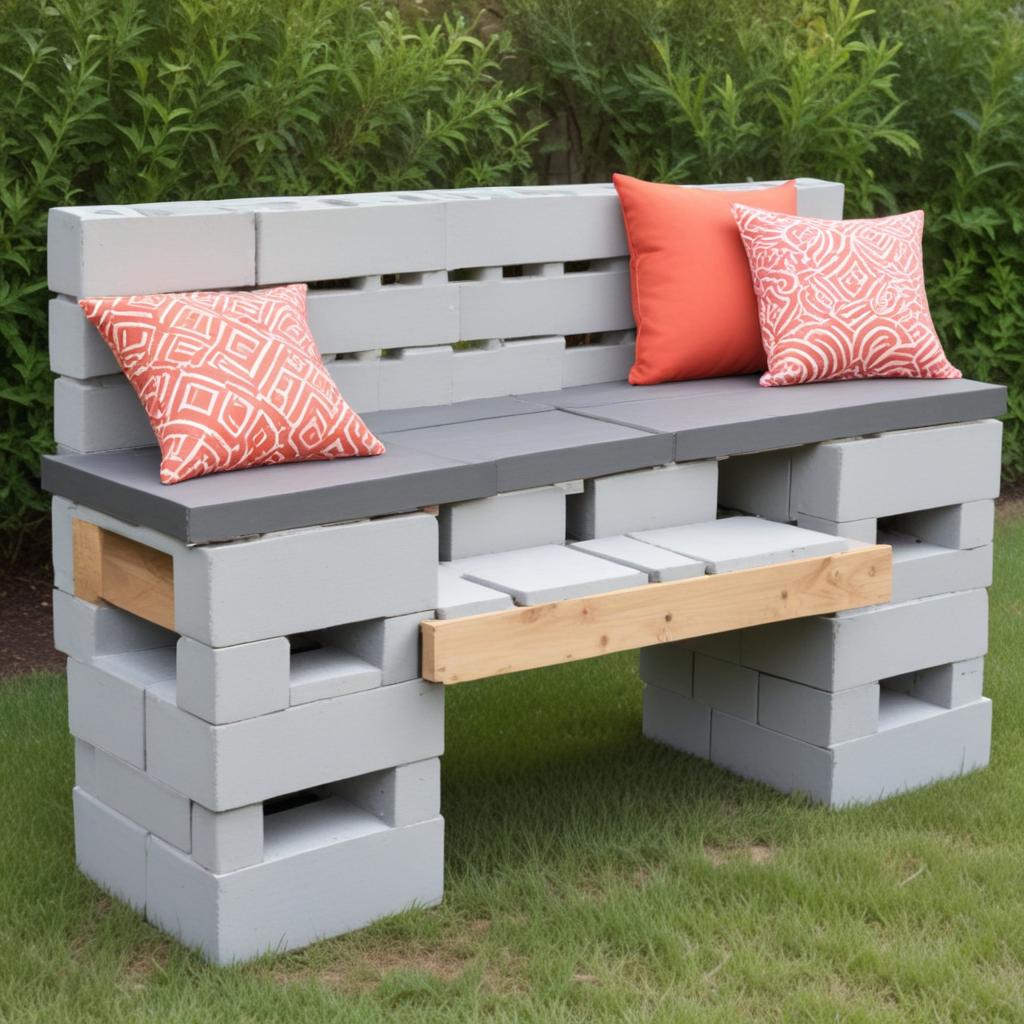
The Cozy Corner Bench: A DIY Project for Your Backyard
Building a bench is a fantastic way to add a touch of rustic charm to your outdoor space, and a DIY cinder block bench offers a wonderfully durable and personalized option. It’s a project that’s surprisingly achievable, even for beginners, and the result is a beautiful piece that you can truly call your own. This article will guide you through the process, from gathering materials to finishing touches, providing you with all the necessary information to create a comfortable and stylish seating solution for your garden or patio. Let’s dive in and explore how to build your own cinder block bench – a truly rewarding project that will enhance your outdoor living experience.
Planning Your Design: Considerations Before You Begin
Before you even start gathering materials, it’s crucial to plan the dimensions and style of your bench. Consider the size of your space, the amount of seating you need, and the overall aesthetic you’re aiming for. A larger bench will require more cinders, and a more elaborate design will demand more planning. Think about how you’ll use the bench – will it be primarily for lounging, or will it also serve as a place to eat or relax? Sketching out your design, even a rough one, will help you visualize the final product and ensure it fits comfortably within your space.
Bench Dimensions & Layout:
- Length: A typical bench length ranges from 6 to 8 feet. Consider the space you have available and how many people you want to comfortably seat.
- Width: The width of the bench should be sufficient for comfortable seating, typically 36-48 inches.
- Height: The height of the bench is important for comfort and aesthetics. A comfortable height is generally between 16 and 20 inches. A slightly angled seat can add visual interest.
- Spacing: Plan for adequate spacing between the benches to prevent tripping hazards and create a more inviting feel.
Material Selection:
- Cinder Blocks: These are the core of your bench. Choose a variety of sizes for a more visually appealing and stable design. Larger blocks provide a more substantial base, while smaller blocks can be used for decorative accents.
- Mortar: Use a high-quality mortar designed for concrete or masonry. This will bind the cinders together and ensure the bench is durable. Consider a mortar with a slightly textured surface for a more rustic look.
- Gravel or Sand: For the base layer, you’ll need gravel or sand to provide drainage and stability. A depth of 4-6 inches is generally sufficient.
- Wood (Optional): For a more finished look, you can add a wooden top for the seat. Cedar or redwood are excellent choices for their natural beauty and resistance to weathering.
Gathering Your Materials: A Step-by-Step Guide
- Cinder Blocks: Purchase a sufficient quantity of cinders, ensuring they are clean and free of debris. You’ll need a variety of sizes for the base and the seat.
- Mortar Mix: Calculate the amount of mortar mix needed based on the size of your bench and the thickness of the mortar joints. Follow the manufacturer’s instructions for mixing.
- Gravel/Sand: Gather a generous amount of gravel or sand for the base layer.
- Tools: You’ll need a shovel, trowel, level, measuring tape, safety glasses, gloves, and a hammer.
- Optional: Wood Top: If you’re opting for a wooden top, gather the necessary wood pieces and tools for cutting and assembling.
Constructing the Base: Laying the Foundation
- Prepare the Base: Create a level base using the gravel or sand. Ensure it’s compacted to provide a stable foundation. A slightly sloped base is ideal for drainage.
- Arrange the Cinder Blocks: Start laying the cinders in a staggered pattern, creating a rectangular or square base. Use the level to ensure each block is perfectly horizontal. This is a critical step for stability.
- Mortar the Blocks: Apply a generous layer of mortar to the top of each block. Use the trowel to create a smooth, even surface. Work in small sections to ensure proper adhesion. Allow the mortar to cure for at least 24 hours before proceeding.
Building the Seat: Creating a Comfortable Surface
- Prepare the Seat Surface: Once the base is fully cured, you can begin constructing the seat. You can use a single layer of cinders or create a more elaborate design with multiple layers.
- Layering the Cinders: Start with a layer of smaller cinders to create a base for the seat. Then, add larger cinders to create a more substantial surface. Maintain a consistent height for the seat.
- Adding a Cushion (Optional): For added comfort, you can add a cushion made of foam or padding to the seat.
Finishing Touches: Adding Stability and Aesthetics
- Reinforcement: For added stability, you can add wooden supports or braces to the base.
- Sealing (Optional): You can apply a sealant to the cinders to protect them from the elements and enhance their natural appearance.
- Decorative Elements: Consider adding decorative elements such as stones, shells, or wood trim to personalize your bench.
Maintenance and Longevity
Cinder block benches are a durable and long-lasting option, but they do require some maintenance. Regularly sweep the bench to remove debris and ensure proper drainage. Periodically check for cracks or loose blocks and repair them as needed. Maintaining the mortar and cinders will help preserve the bench’s beauty and structural integrity for years to come.
Beyond the Basics: Creative Variations
- Stacked Cinders: Create a tiered effect by stacking cinders in a pyramid shape.
- Geometric Patterns: Use different sized cinders to create a more visually interesting pattern.
- Wood Accents: Incorporate wood planks or decorative wood trim for a more refined look.
Resources for Further Learning
- https://www.thespruce.com/diy-cinder-block-bench-4163577
- https://www.hgtv.com/homeimprovement/outdoor-living/outdoor-furniture/outdoor-bench-projects/cinder-block-bench-tutorial
Safety Considerations
- Always wear safety glasses and gloves when working with cinders and mortar.
- Work in a well-ventilated area.
- Be careful when handling heavy cinders.
- Ensure the bench is placed on a level surface to prevent tipping.
By following these steps and incorporating your own creativity, you can build a beautiful and functional cinder block bench that will be a cherished addition to your outdoor space for years to come.