
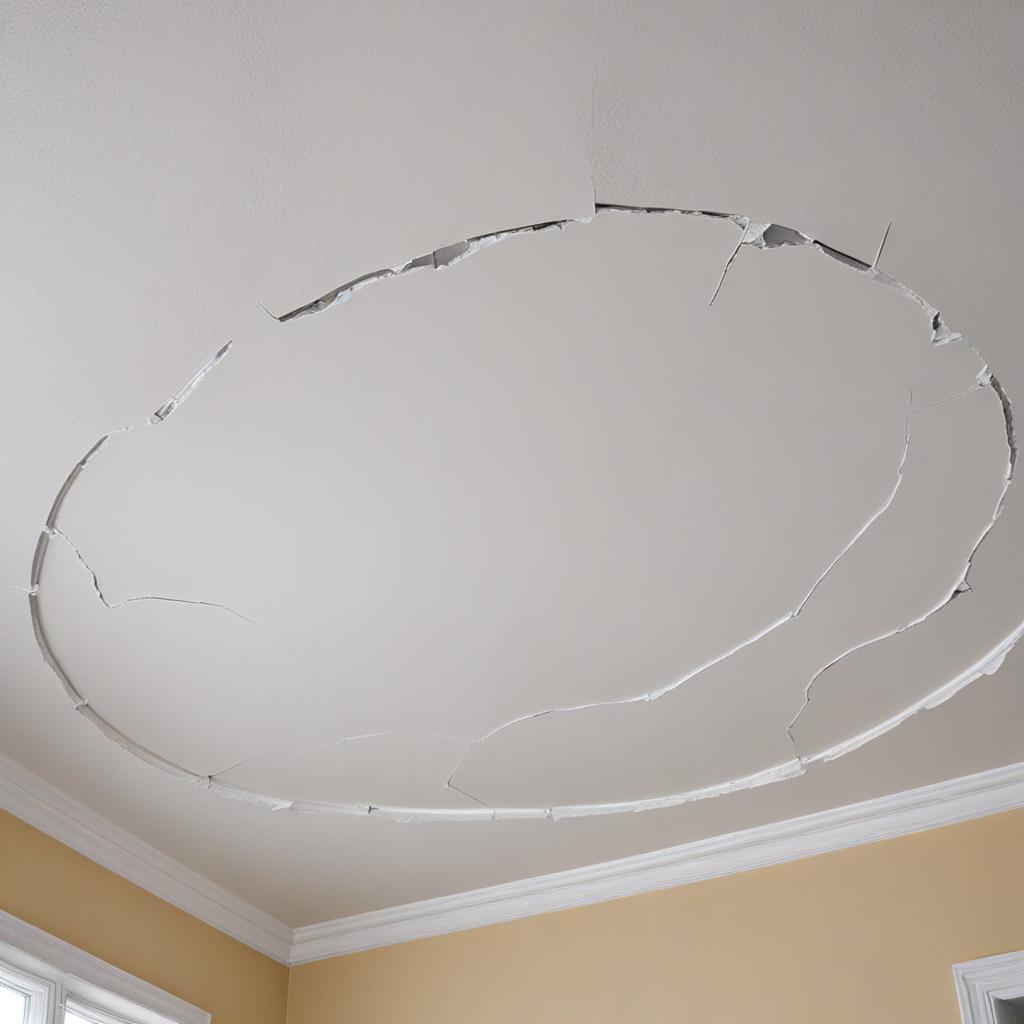
Have you ever noticed a subtle, unsettling crack appearing on your ceiling? It might seem insignificant at first, a minor imperfection easily dismissed. But for some homeowners, these cracks can be a sign of a much larger, and potentially more serious, structural issue. They’re more than just cosmetic; ceiling circle cracks can indicate problems with the ceiling’s support system, potentially leading to water damage, mold growth, and even structural instability. Understanding the potential causes and knowing how to address them is crucial for maintaining a safe and comfortable home. This article will delve into the common reasons for ceiling circle cracks, exploring the underlying issues and offering practical advice for prevention and repair.
The Basics of Ceiling Circle Cracks
A ceiling circle crack is a crack that appears as a circular pattern across the ceiling surface. It’s not a simple hairline fracture; it’s a more significant disruption to the structural integrity of the ceiling. The appearance is often noticeable when the light source is angled, revealing the crack’s depth and pattern. The severity of the crack can vary greatly, ranging from barely perceptible to deeply penetrating. It’s important to note that these cracks aren’t always a harbinger of disaster. However, they do warrant investigation to determine the underlying cause and prevent further problems.
Common Causes of Ceiling Circle Cracks
Several factors can contribute to the development of ceiling circle cracks. Let’s explore some of the most frequent culprits:
- Settling: This is arguably the most common cause. As foundations settle, the weight of the house can cause the ceiling structure to shift and crack. This is particularly prevalent in older homes built on older foundations. The movement can be gradual, leading to the appearance of cracks over time.
- Moisture Intrusion: Water leaks, even small ones, can seep into the ceiling and cause expansion and contraction, leading to cracks. This is especially true in areas prone to condensation, such as bathrooms, kitchens, and basements. The constant movement of water can weaken the supporting materials.
- Poor Ventilation: Inadequate attic or basement ventilation allows moisture to accumulate, increasing the risk of mold growth and structural damage. Mold can seep into the ceiling, causing discoloration, staining, and ultimately, cracking.
- Age and Material Degradation: Ceiling materials, like plaster, gypsum board, and wood, have a lifespan. Over time, these materials can degrade, leading to cracks and weakening of the structure. Older homes, in particular, are more susceptible to these issues.
- Structural Issues: In rare cases, cracks can be a symptom of more significant structural problems, such as sagging floors, loose beams, or compromised support columns. These issues require professional assessment.
- Ice Dams: In colder climates, ice dams can form on the roof, causing water to back up under the house and seep into the attic and ceiling. This constant moisture can weaken the ceiling structure.
- Poorly Installed Fixtures: In older homes, poorly installed plumbing or electrical fixtures can contribute to moisture problems and cracking. Leaks from pipes or wiring can create stress on the ceiling.
Investigating the Cause: A Step-by-Step Approach
Determining the precise cause of a ceiling circle crack can be a process of elimination. Here’s a methodical approach to investigating the issue:
- Visual Inspection: Carefully examine the crack itself. Note its size, shape, and location. Is it a uniform crack, or does it vary in width and depth? Are there any signs of water stains, mold, or discoloration?
- Check for Leaks: Look for any signs of water damage, such as dampness, stains, or efflorescence (a white, powdery deposit). Check around pipes, fixtures, and the attic/basement.
- Assess Ventilation: Evaluate the attic and basement ventilation systems. Are they functioning properly? Are there any obvious leaks or obstructions?
- Material Examination: If possible, take a sample of the ceiling material (e.g., a small piece of plaster) to a professional for analysis. This can help determine the age and condition of the material.
- Consult a Professional: For a thorough assessment, it’s always best to consult with a qualified contractor or structural engineer. They can use specialized tools and techniques to identify the root cause of the problem and recommend appropriate repairs.
Repair Options: Addressing the Crack
Once the cause of the crack is identified, several repair options are available:
- Minor Cracks: For small, hairline cracks, patching with a suitable drywall compound may be sufficient.
- Larger Cracks: For larger cracks, a more extensive repair may be necessary. This could involve patching the crack with a sealant, reinforcing the ceiling with additional supports, or replacing damaged sections of the ceiling.
- Water Damage Repair: If water damage is the primary cause, addressing the source of the leak is crucial. This may involve repairing plumbing, fixing electrical wiring, or installing a new roof.
- Structural Repairs: If structural issues are identified, the repair may involve reinforcing the ceiling or replacing damaged support columns.
Prevention is Key: Maintaining a Healthy Ceiling
While repairs can address existing cracks, proactive measures can help prevent future problems:
- Regular Ventilation: Ensure adequate attic and basement ventilation to prevent moisture buildup.
- Maintain Proper Drainage: Direct water away from the foundation to prevent leaks.
- Regular Inspections: Periodically inspect your ceiling for signs of damage, such as cracks, stains, or water leaks.
- Address Minor Issues Promptly: Don’t ignore small problems; address them promptly to prevent them from escalating into larger, more costly issues.
- Consider Waterproofing: For homes in areas prone to moisture, consider installing a waterproof membrane or sealant on the ceiling.
The Role of Professionals
Dealing with ceiling circle cracks can be complex, and it’s often beneficial to seek the expertise of a qualified contractor or structural engineer. They have the knowledge and experience to accurately diagnose the problem, recommend the most appropriate repair solution, and ensure the long-term stability of your home. Don’t hesitate to consult with professionals to protect your investment and maintain a safe and comfortable living space.