
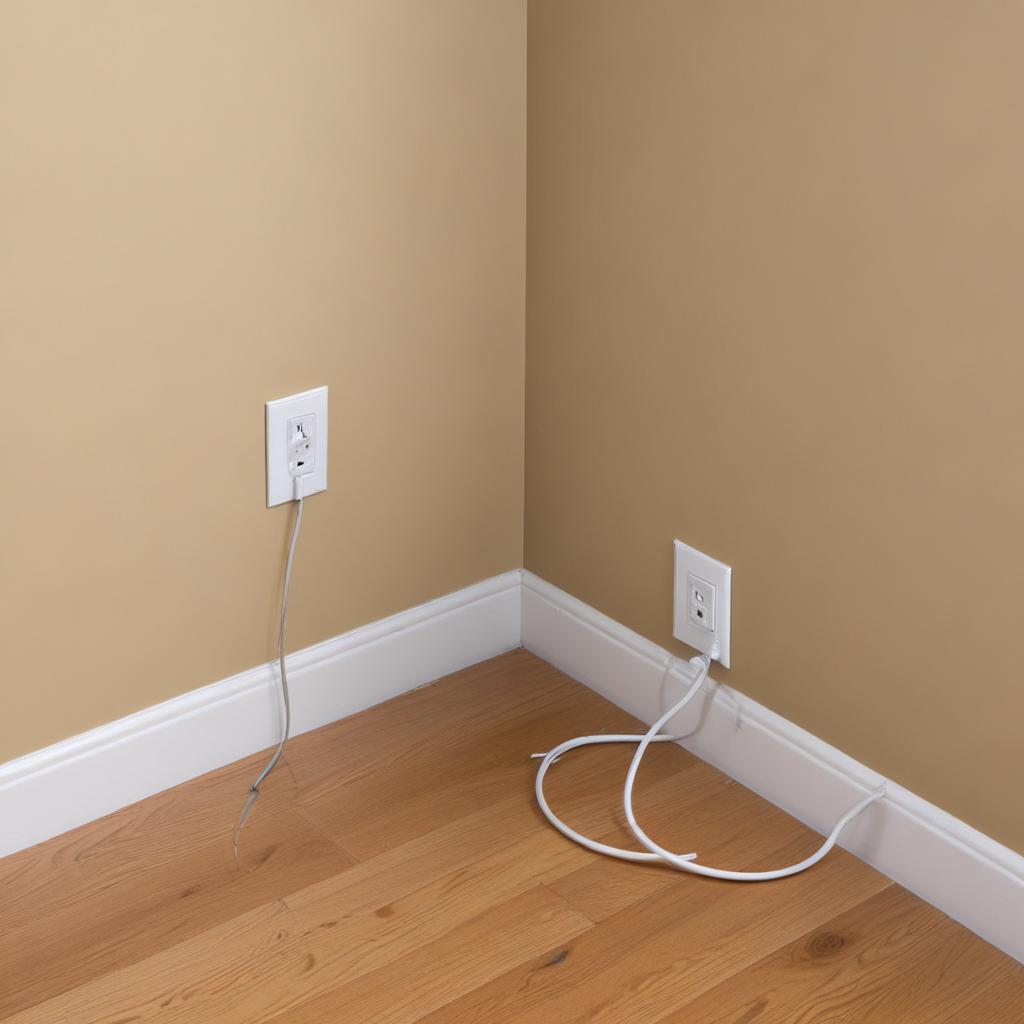
Dealing with unsightly and potentially hazardous electrical cords running across your floor is a common problem for many homeowners. The sight of them trailing behind a wall outlet can be a real deterrent, and frankly, it’s a safety concern. Many people instinctively want to hide these cords, but often the solution isn’t as simple as simply covering them up. This article will explore several effective and discreet methods for managing electrical cord clutter, focusing on solutions that prioritize safety and minimize visual impact. We’ll delve into different approaches, from simple cable management techniques to more involved options, offering practical advice and considerations for different situations. Understanding the root cause of the problem – where the cords are originating – is key to choosing the right solution. Let’s explore how to effectively conceal these cords and create a cleaner, safer space.
Understanding the Root Cause: Why Cords Hide
Before diving into solutions, it’s crucial to understand why these cords are appearing in the first place. Often, the issue isn’t simply a matter of aesthetics. Cords frequently originate from a variety of sources:
- Outlet Placement: The location of outlets themselves can be a significant contributor. They’re frequently placed in areas where they’re easily overlooked or where the floor is less visible.
- Electrical Work: Recent electrical renovations or repairs can leave cords trailing along the floor, creating a noticeable mess.
- Building Codes & Design: In some older homes, building codes may dictate cord placement, leading to a less-than-ideal arrangement.
- DIY Projects: Unplanned wiring or modifications during home improvement projects can inadvertently create cord clutter.
- Lack of Awareness: Simply not realizing how much cord is running around can lead to neglect and a buildup of mess.
Identifying the source of the problem is the first step towards a successful solution. Visual inspection of the area is essential to pinpoint exactly where the cords are originating. Consider the overall layout of your home and the existing electrical system – this will inform your choices.
Simple and Effective Cable Management Techniques
For many homeowners, the most straightforward approach is to implement basic cable management techniques. These are relatively inexpensive and can make a noticeable difference in the overall appearance of the space.
- Cable Ties: These are a classic solution and come in a wide variety of sizes and colors. Use them to bundle cords together and secure them to the floor. Ensure the ties are not too tight, as this can damage the cords. Consider using Velcro ties for easy adjustment and removal.
- Cord Wraps: These wraps provide a more secure and aesthetically pleasing way to manage cords. They’re available in various materials and colors, and can be particularly useful for concealing longer cords.
- Cable Channels: These channels are designed to neatly route and conceal cables, creating a streamlined look. They’re available in various materials and can be installed under cabinets, along walls, or in other discreet locations.
- Under-Cabinet Cable Management: If you have cabinets or shelving, utilize the space underneath to create a cable management system. This is a particularly effective solution for cords that run along the edge of the cabinet.
More Advanced Cable Management Solutions
If simple techniques aren’t sufficient, consider these more involved options:
- Cable Boxes: These are small, decorative boxes that conceal power strips and excess cable length. They’re a stylish and practical way to keep cords organized and out of sight.
- Cable Concealers: These are specialized panels designed to hide cables behind walls or in other areas. They come in various styles and materials, and can be a good option for creating a seamless look.
- Under-Floor Cable Trays: For particularly extensive cord runs, an under-floor tray can be a worthwhile investment. These trays provide a stable and secure platform for routing cables, minimizing the risk of tripping hazards.
- Modular Cable Management Systems: These systems offer a flexible and customizable approach to cable management. They typically consist of individual modules that can be arranged to suit your specific needs. They often include features like cable clips and channels.
Strategic Outlet Placement and Routing
The placement of wall outlets is a critical factor in managing cord clutter. Consider these strategies:
- Away from High-Traffic Areas: Avoid placing outlets near doorways, hallways, or areas where people frequently walk.
- Corner Placement: Corner outlets can be a good option for concealing cords, as they provide a natural barrier.
- Under-Cabinet Outlet Placement: As mentioned earlier, this is a particularly effective solution for cords running along the edge of cabinets.
- Consider Outlet Routing: If possible, route cords along the wall rather than running them directly behind the outlet. This can create a cleaner and more visually appealing appearance. Using cable ties to secure the cords in place during routing is essential.
Hidden Cable Management – A Visual Illusion
Beyond the physical arrangement, the appearance of the cords matters. A well-executed cable management system can create the illusion of a cleaner, more organized space. This is achieved through:
- Color Coordination: Using cable ties and wraps in a consistent color scheme can create a visually appealing effect.
- Texture and Material: Using different textures and materials (e.g., wood, metal, fabric) can add visual interest and break up the monotony of a cluttered space.
- Strategic Lighting: Adding LED strip lighting under cable management channels can highlight the system and create a more polished look.
Safety First: Important Considerations
It’s paramount to prioritize safety when managing electrical cords. Never attempt to modify or tamper with electrical wiring. If you’re unsure about any aspect of cable management, consult a qualified electrician. Regularly inspect your cable management system to ensure it remains secure and free of damage. Also, be mindful of the potential for tripping hazards – ensure that cable management systems are placed in a location where they won’t obstruct walkways.
Budget-Friendly Options
Cable management doesn’t have to break the bank. Many of the techniques described above can be implemented with relatively low cost. Simple cable ties and cord wraps are readily available and affordable. Investing in a basic cable box can also provide a significant improvement in the overall appearance of the space. Consider DIY solutions to save money and gain a greater sense of control over your cable management system.
The Future of Cable Management: Smart Solutions
Emerging technologies are beginning to revolutionize cable management. Smart plugs and cable management systems that integrate with smart home platforms are becoming increasingly popular. These systems can provide remote monitoring, control, and even automated routing of cables. As technology continues to advance, we can expect to see even more innovative and convenient solutions for managing electrical cords.
Conclusion: A Clean and Organized Space
Effectively concealing electrical cords is a worthwhile investment that can significantly improve the appearance and safety of your home. By implementing a combination of simple techniques, more advanced solutions, and strategic planning, you can create a clean, organized, and visually appealing space. Remember to prioritize safety and consult with a qualified electrician if you have any concerns. Taking the time to address this issue proactively will ultimately contribute to a more comfortable and secure living environment.