
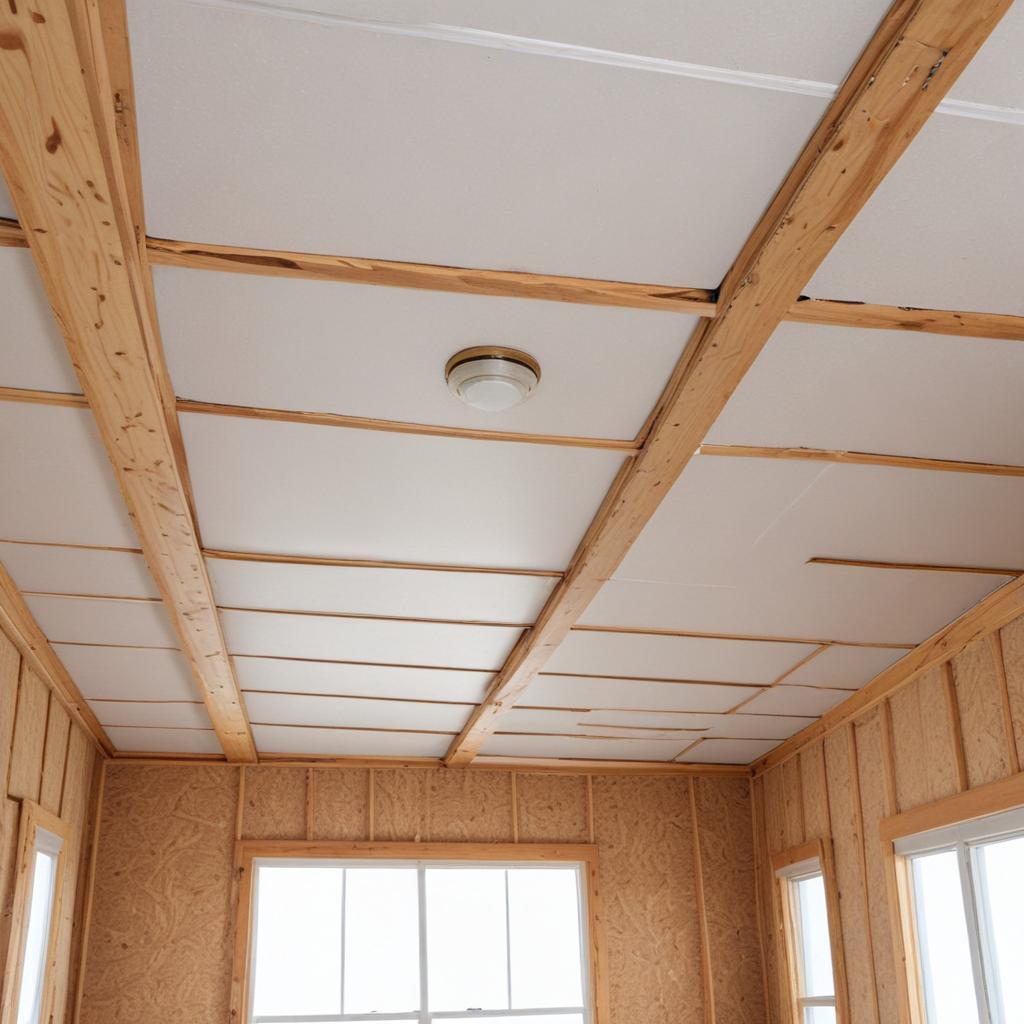
How to Repair a Mobile Home Ceiling – A Comprehensive Guide
Mobile homes offer a unique lifestyle – freedom, affordability, and a connection to nature. However, they often come with a challenge: a damaged or deteriorating ceiling. A compromised mobile home ceiling can significantly impact the home’s aesthetic appeal, safety, and overall value. Fortunately, fixing a mobile home ceiling isn’t always a daunting task. With the right knowledge and approach, many issues can be addressed effectively and restored to its former glory. This guide will delve into common problems, potential solutions, and essential considerations for tackling a mobile home ceiling repair.
Understanding the Scope of the Problem
Before diving into repair options, it’s crucial to understand why your mobile home ceiling is failing. Common culprits include:
- Water Damage: This is arguably the most frequent cause. Leaks from the roof, gutters, or plumbing can saturate the ceiling, leading to mold growth, wood rot, and structural issues.
- Wood Rot: Especially prevalent in climates with high humidity, wood rot weakens the ceiling structure, causing sagging and potential collapse.
- Mold and Mildew: Moisture trapped within the ceiling creates an ideal environment for mold and mildew to thrive, impacting indoor air quality and potentially causing health problems.
- Cracks and Holes: These can be caused by settling, impact damage, or age-related deterioration.
- Loose or Damaged Sheathing: The plywood or OSB panels that form the ceiling structure can become loose, cracked, or warped, compromising the entire ceiling.
- Insect Infestation: Termites, carpenter ants, and other insects can damage wood and create unsightly holes.
Identifying the root cause is the first step towards a successful repair. Ignoring the problem will only exacerbate the issue and lead to more extensive and costly repairs down the line.
Repair Options – A Step-by-Step Approach
Here’s a breakdown of common repair methods, ranging from simple fixes to more involved procedures:
- Minor Water Damage & Patching: If the leak is relatively minor, addressing it directly is often the quickest and most cost-effective solution.
- Contain the Area: Immediately protect the affected area with plastic sheeting to prevent further water intrusion.
- Dry the Area: Use fans and dehumidifiers to thoroughly dry the ceiling and surrounding area. This is critical to prevent mold growth.
- Patching: For small holes or cracks, use a suitable patching compound. For larger damage, consider using a wood filler designed for exterior use. Ensure the filler is compatible with the surrounding wood.
- Sanding and Priming: After patching, sand the area smooth and apply a primer designed for exterior use. This will seal the wood and provide a good surface for paint.
- Wood Rot Repair: If wood rot is present, it’s essential to address the underlying issue to prevent further decay.
- Remove Damaged Wood: Carefully remove the affected boards, taking care not to damage the surrounding structure.
- Wood Preservative: Apply a penetrating wood preservative to the remaining wood to protect it from future rot.
- Replace Rotten Boards: Replace any boards that are severely rotted with new, rot-resistant wood.
- Cracks and Holes – Filling and Sealing: Small cracks and holes can be filled with a flexible sealant designed for exterior use.
- Apply Sealant: Use a sealant specifically formulated for use on wood and metal.
- Smooth the Surface: After the sealant has dried, use a putty knife or sanding block to smooth the sealant and create a seamless finish.
- Loose Sheathing – Reinforcement: If the sheathing is loose, it needs to be reinforced.
- Wood Replacement: In severe cases, the sheathing may need to be replaced with new plywood or OSB.
- Adding Supports: Adding internal supports can help stabilize the sheathing and prevent future sagging.
- Mold Remediation: If mold growth is present, it’s crucial to address the source of the moisture.
- Identify the Source: Thoroughly investigate and eliminate the leak or source of moisture.
- Clean and Disinfect: Use a mold-killing cleaner and thoroughly clean and disinfect the affected area.
- Consult a Professional: For extensive mold infestations, it’s best to consult with a professional mold remediation specialist.
Important Considerations & Best Practices
- Material Compatibility: Always use materials that are compatible with the existing materials of your mobile home. Using incompatible materials can lead to further damage and deterioration.
- Safety First: When working with power tools, wear appropriate safety gear, including eye protection, gloves, and hearing protection.
- Permits: Depending on the extent of the damage and local regulations, you may need to obtain a permit before undertaking any major repairs.
- Professional Inspection: For complex repairs or if you’re unsure about the best course of action, it’s always a good idea to consult with a qualified contractor or roofing specialist. They can assess the damage, recommend the most appropriate repair methods, and ensure the job is done correctly.
- Preventative Maintenance: Regularly inspect your mobile home ceiling for signs of damage and address any issues promptly to prevent them from escalating. This includes checking for leaks, inspecting for rot, and maintaining proper ventilation.
Resources for Further Information
- The Home Depot: https://www.homedepot.com/ – Offers a wide range of repair materials and tools.
- Lowe’s: https://www.lowes.com/ – Similar to The Home Depot, with a comprehensive selection of products.
- YouTube: Numerous video tutorials demonstrate various repair techniques. Searching for “mobile home ceiling repair” will yield helpful visual guides.
Conclusion
Repairing a mobile home ceiling can be a rewarding experience, restoring your home’s appearance and ensuring its long-term integrity. By understanding the potential causes of damage, exploring available repair options, and following best practices, you can effectively tackle this challenge and maintain the value and comfort of your mobile home. Remember to prioritize safety and seek professional advice when needed.