
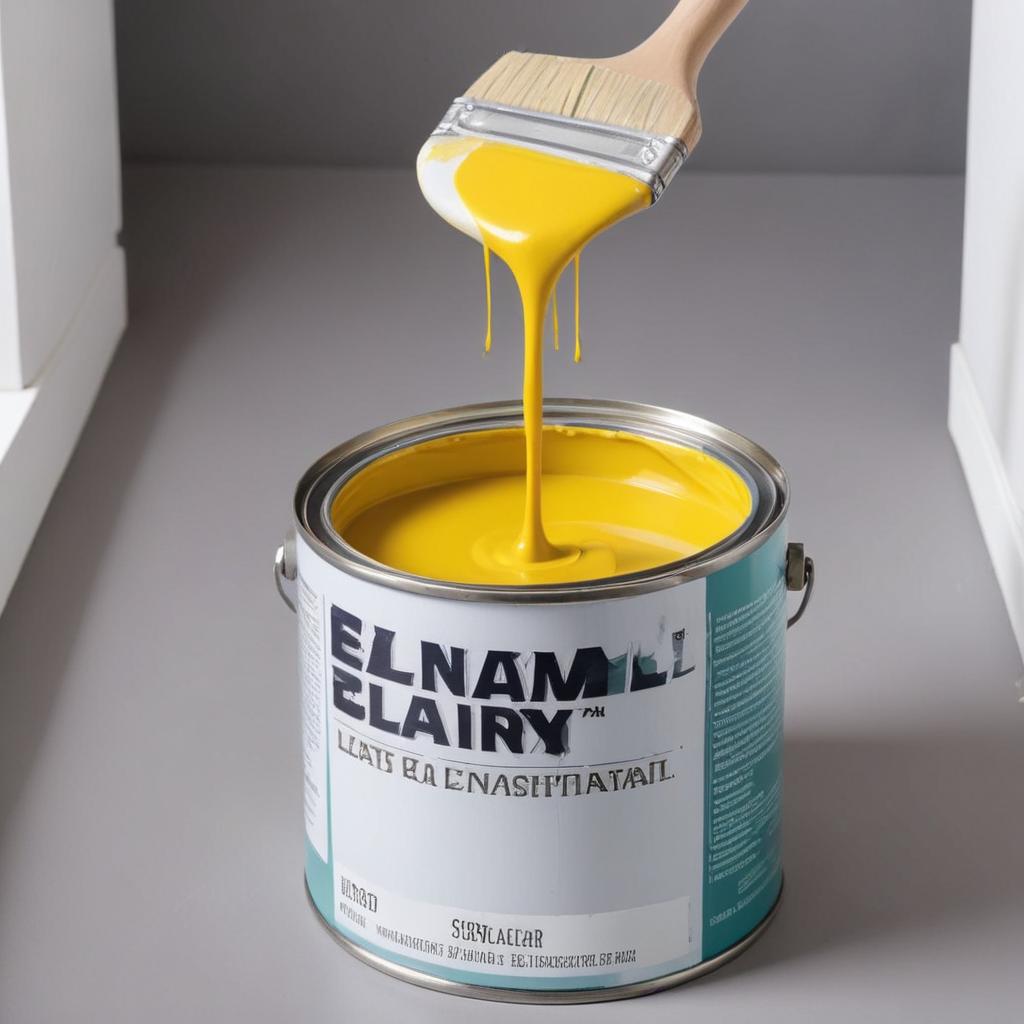
The allure of a fresh, vibrant coat on your home’s walls is strong. But before you dive in, a crucial question arises: can you successfully paint latex over enamel paint without resorting to stripping and priming? It’s a common dilemma, and the answer isn’t always straightforward. While it’s possible, it requires careful consideration, the right tools, and a realistic understanding of the process. This article will break down the factors involved, offering a balanced perspective on whether it’s a viable option and how to maximize your chances of a beautiful, long-lasting finish.
Understanding the Challenges: Why Latex & Enamel Clash
The fundamental issue lies in the different binders and adhesion properties of latex and enamel paints. Enamel paints, particularly those with a durable, protective layer, are designed to bond strongly to a substrate – typically wood, metal, or concrete. Latex paints, on the other hand, are formulated to adhere to a wider range of surfaces, often with a smoother, more flexible film. This difference in composition creates a significant hurdle for a successful paint job.
Enamel paints often contain resins and pigments that create a hard, glassy surface, making them less receptive to the flexibility of latex. Latex paints, while offering a smooth finish, can be prone to cracking or peeling if the underlying surface isn’t perfectly prepared. Furthermore, the enamel layer can sometimes contain lead, which poses health concerns and requires careful consideration during the removal process.
Assessing Your Situation: Is It Truly Possible?
Before embarking on this project, a thorough assessment is essential. Here’s a breakdown of factors to consider:
- Enamel Paint Condition: Is the enamel paint in good condition? Has it been heavily chipped, cracked, or faded? Significant damage will make the process far more challenging. A professional assessment is highly recommended to determine the extent of the damage.
- Substrate Surface Preparation: This is arguably the most critical factor. Enamel paint often benefits from a level, clean surface. Rust, loose paint, or significant imperfections will prevent proper adhesion. Consider a thorough cleaning process – sanding, scraping, and possibly using a chemical cleaner designed to remove old paint.
- Enamel Paint Type: Different enamel formulations have varying levels of flexibility. Some are more resistant to cracking than others. Knowing the specific type of enamel paint you’re working with is crucial.
- Surface Compatibility: While latex can work, it’s generally best suited for smoother, more flexible surfaces. Rough or textured surfaces can create adhesion problems.
The Stripping Process: A Necessary Evil
Stripping is almost always required before painting over enamel. This process removes the old paint and any underlying layers, creating a clean, receptive surface for the new latex paint to adhere to.
- Chemical Strippers: These are commonly used and effective, but require careful handling and ventilation. Different types of chemical strippers are available, each with varying levels of aggressiveness. Always test a small, inconspicuous area first to ensure compatibility with the enamel.
- Heat Gun: A heat gun can be used to soften the enamel, making it easier to scrape off. However, this method can also damage the underlying substrate, so it’s best used as a supplemental step.
- Sanding: After chemical stripping, sanding is often necessary to smooth the surface and create a better bond. Start with a coarser grit sandpaper and gradually move to finer grits to achieve a smooth finish.
Priming: The Key to Long-Lasting Success
Priming is absolutely vital. It creates a barrier between the latex paint and the underlying enamel, preventing bleed-through and ensuring a uniform, durable finish.
- Choosing the Right Primer: Select a primer specifically designed for latex paint over enamel. It should be compatible with both materials and provide excellent adhesion.
- Primer Application: Apply a thin, even coat of primer, allowing it to dry completely according to the manufacturer’s instructions. Multiple thin coats are generally better than one thick coat.
- Surface Preparation for Primer: Again, thorough surface preparation is key. Remove any loose paint, clean the surface thoroughly, and ensure it’s dry and free of dust.
The Latex Paint Application: Techniques for Optimal Results
Once the stripping and priming are complete, you can begin the actual painting process.
- Thin Coats are Essential: Apply the latex paint in thin, even coats. This prevents drips, runs, and uneven coverage.
- Proper Surface Preparation for Latex: Ensure the surface is clean and dry before applying the latex paint. A tack cloth can be used to remove any dust or debris.
- Brush vs. Roller: For latex paint, a brush is often preferred for achieving a smooth, even finish, especially on complex surfaces. A roller is suitable for larger areas and can create a textured effect.
- Drying Time: Allow the latex paint to dry completely before applying the next coat. Follow the manufacturer’s recommendations for drying times.
Potential Complications and Troubleshooting
Despite careful preparation, unexpected issues can arise.
- Bleeding: If the enamel paint is significantly damaged or the substrate isn’t perfectly prepared, you may experience bleeding – the latex paint creeping under the enamel. This can be mitigated with a good quality primer and careful application techniques.
- Cracking: If the enamel paint is prone to cracking, it may be more difficult to repair. Consider using a sealant or patching compound to reinforce the area.
- Uneven Coverage: If the latex paint doesn’t cover the surface evenly, it may be due to uneven surface preparation or improper application techniques. Re-sand and re-apply multiple coats.
Resources for Further Information
Numerous resources offer valuable insights into this topic.
- YouTube Tutorials: Search for “painting enamel over latex” – you’ll find numerous videos demonstrating the process.
- Home Improvement Websites: Websites like The Spruce and Family Handyman provide detailed guides and tips.
- Paint Manufacturer’s Websites: Consult the manufacturer’s recommendations for specific products and application techniques.
Conclusion: A Calculated Risk Worth Taking
Painting latex over enamel is a challenging but achievable project. It requires meticulous planning, careful execution, and a realistic assessment of the situation. While it’s not always a straightforward process, with the right preparation and techniques, you can transform your home’s walls and create a beautiful, durable finish. Remember to prioritize surface preparation, choose the appropriate primers and paints, and apply thin, even coats. Don’t hesitate to seek professional advice if you’re unsure about any aspect of the process.