
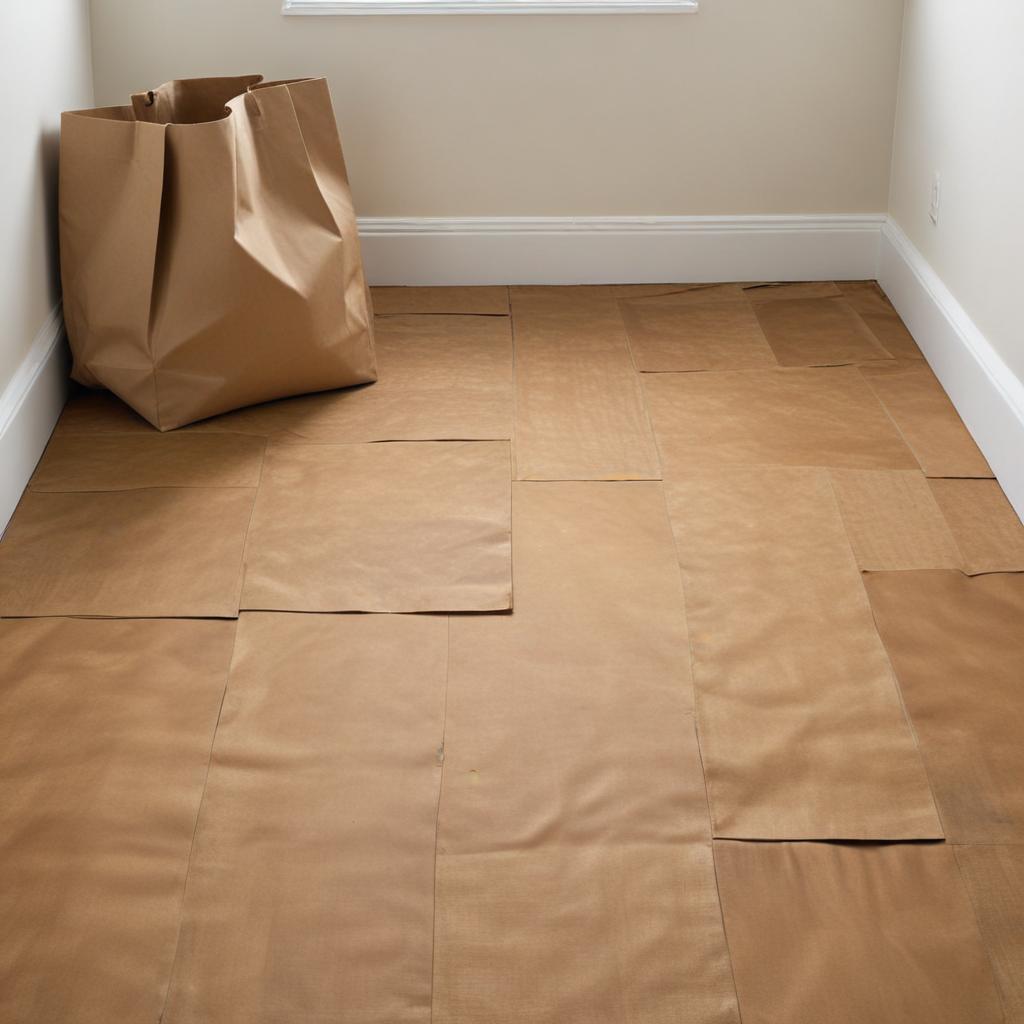
Let’s face it – kitchens are often the heart of the home, a space where food preparation, family meals, and everyday life converge. And while stainless steel and tile are popular choices, there’s a surprisingly effective and often overlooked flooring option that’s gaining traction: the paper bag floor. It’s not just a quirky trend; it’s a durable, affordable, and surprisingly versatile solution that’s proving popular amongst homeowners seeking a unique and practical floor finish. This article will delve into the benefits of using paper bag floors, exploring their construction, maintenance, and potential applications, offering a comprehensive look at why they’re worth considering.
The Rise of the Paper Bag Floor
For years, paper bags have been relegated to recycling bins and the occasional grocery bag. But a recent shift in consumer preferences and a desire for more sustainable and visually interesting flooring options has led to a resurgence in the use of paper bag floors. The concept, initially popularized by a small online retailer, has quickly expanded beyond a niche market, attracting attention from homeowners, contractors, and even interior designers. The appeal lies in its affordability, ease of installation, and a distinctive aesthetic that’s rapidly becoming desirable.
The core of the paper bag floor system is deceptively simple. It involves layering multiple paper bags – typically brown or kraft paper – to create a durable and somewhat textured surface. The bags are then glued together, often using a specialized adhesive, to form a solid floor. The resulting material is surprisingly resilient, capable of withstanding heavy foot traffic and even minor spills. It’s a far cry from the slick, polished look of many other flooring options.
Construction and Materials: Understanding the System
The construction of a paper bag floor isn’t as complicated as it might seem. The process typically involves several key steps:
- Bag Selection: Brown or kraft paper bags are the most common choice, offering a neutral base color and good durability. The thickness of the paper significantly impacts the floor’s resistance to wear and tear.
- Layering: Multiple layers of paper bags are glued together, often overlapping slightly. The number of layers determines the floor’s thickness and overall stability. A minimum of three layers is generally recommended.
- Adhesive: A specialized adhesive, often a polyurethane-based product, is crucial for bonding the layers together. The adhesive needs to be flexible enough to accommodate slight movement and provide a strong, lasting bond.
- Sealing: Once the adhesive is applied, the floor is often sealed with a protective coating to prevent moisture absorption and further enhance its durability.
The quality of the adhesive and the overall construction significantly impact the longevity and performance of the floor. Poorly applied adhesive can lead to peeling, cracking, and a compromised surface. Proper sealing is essential for preventing water damage and maintaining a smooth, consistent surface.
Benefits of Paper Bag Floors: A Detailed Look
Beyond its unique aesthetic, paper bag floors offer a compelling range of benefits:
- Cost-Effectiveness: Compared to many other flooring options, paper bag floors are remarkably affordable. The cost of the materials is relatively low, making them an attractive option for budget-conscious homeowners.
- Sustainability: This is arguably the most significant advantage. Using recycled paper bags significantly reduces waste and promotes a more environmentally friendly approach to flooring. It’s a tangible way to reduce your carbon footprint.
- Durability: While not as scratch-resistant as some other materials, the paper bag floor demonstrates surprisingly good resilience. It can withstand moderate foot traffic and is relatively resistant to stains and spills.
- Easy Installation: The process of installing a paper bag floor is relatively straightforward. It typically involves leveling the subfloor, applying the adhesive, and then laying down the layers of paper bags. Many DIYers find the installation process manageable, even for those with limited experience.
- A Unique Aesthetic: Let’s be honest, the look of a paper bag floor is undeniably distinctive. It offers a rustic, textured, and slightly imperfect aesthetic that’s increasingly popular with homeowners seeking to add character to their homes. It’s a conversation starter and a visually interesting addition to any space.
- Versatility: While primarily used as a floor covering, paper bag floors can be adapted for various applications. They can be used in kitchens, bathrooms, entryways, and even as a decorative element in living rooms.
Maintenance and Considerations: Keeping Your Paper Bag Floor Looking its Best
While paper bag floors are durable, they do require some maintenance to keep them looking their best:
- Regular Cleaning: Dust and debris can accumulate on the surface of the floor, so regular sweeping or vacuuming is essential.
- Sealing: Periodic sealing with a protective coating is recommended to prevent moisture absorption and maintain the floor’s integrity.
- Addressing Spills: Promptly clean up any spills to prevent staining and damage.
- Avoiding Heavy Objects: Minimize the weight of objects placed on the floor to prevent excessive wear and tear.
- Proper Ventilation: Ensure adequate ventilation in the room to prevent moisture buildup.
The longevity of a paper bag floor depends heavily on the quality of the adhesive and the overall construction. Regular inspection for cracks or peeling is crucial. Replacing the layers as they degrade is a relatively simple and inexpensive maintenance task.
Beyond the Basics: Creative Applications
The versatility of the paper bag floor extends beyond its traditional use as a flooring option. Its unique texture and appearance lend themselves to creative applications:
- Accent Walls: Creating a textured accent wall using multiple layers of paper bags can add visual interest to a room.
- Decorative Flooring: Incorporating the paper bag floor into a larger design scheme can create a rustic or bohemian feel.
- Outdoor Use (with caveats): While not ideal for extreme weather conditions, paper bag floors can be used outdoors in areas with moderate humidity. Proper sealing and protection are essential.
- Furniture and Accessories: The floor can be used as a base for furniture or as a decorative element in accessories like rugs or planters.
Where to Find Paper Bag Floors: Resources and Suppliers
Numerous retailers now offer paper bag floors, ranging from large online marketplaces to specialized flooring suppliers. Some popular options include:
- Amazon: Offers a wide selection of paper bag floor kits and individual layers.
- Etsy: Provides a curated selection of handcrafted and custom-made paper bag floor options.
- Specialty Flooring Suppliers: Companies specializing in sustainable flooring solutions often carry paper bag floor kits.
Remember to carefully research different suppliers and read reviews before making a purchase.
The Future of Paper Bag Floors
Despite the emergence of more conventional flooring options, the paper bag floor is experiencing a notable resurgence. Its affordability, sustainability, and unique aesthetic are proving to be increasingly appealing to homeowners and contractors alike. As consumer awareness of environmental issues continues to grow, the demand for sustainable flooring solutions is expected to increase, further solidifying the position of the paper bag floor as a viable and stylish choice. The continued innovation in adhesive technology and construction techniques will undoubtedly contribute to the longevity and performance of these floors, ensuring their continued popularity for years to come.