
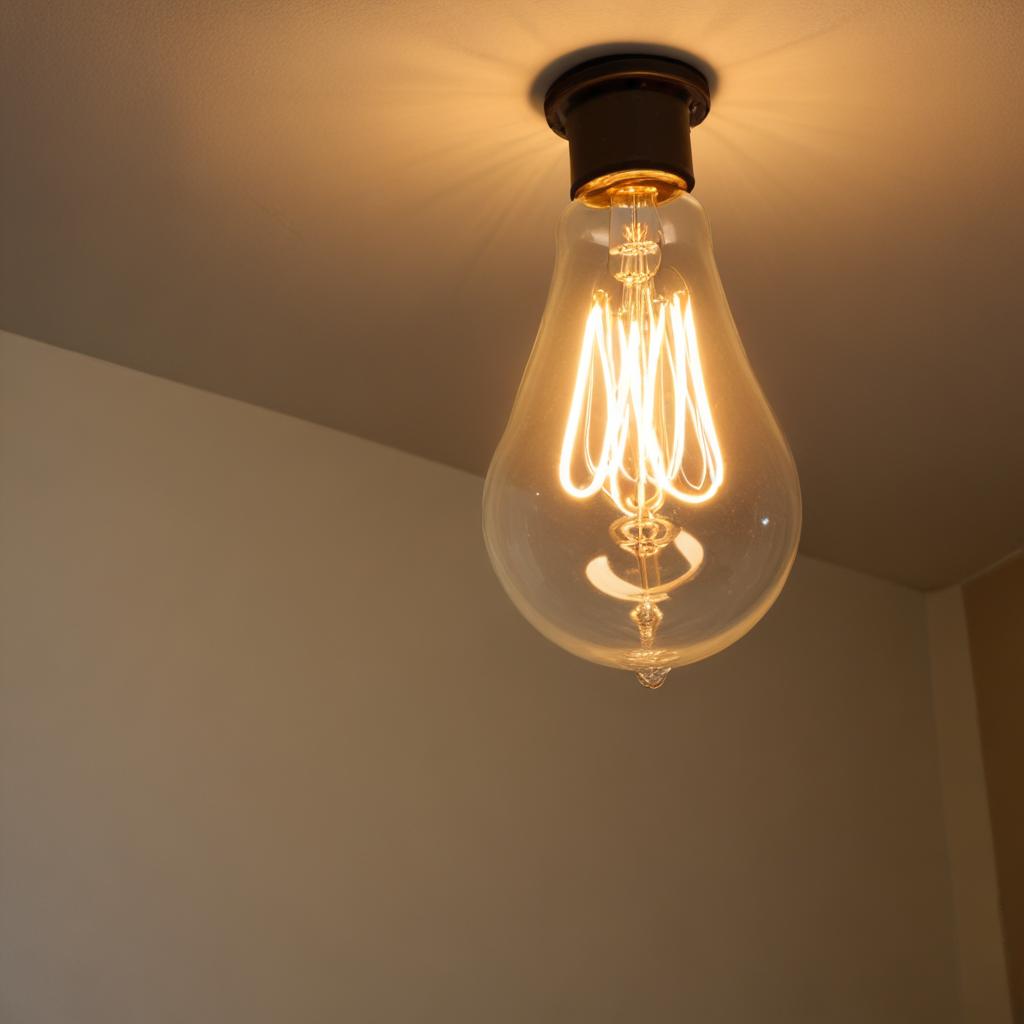
The frustration of a flickering light or a dim glow that suddenly disappears can be incredibly annoying. It’s a small household issue that, when it keeps happening, quickly turns into a bigger headache. Many homeowners face this situation where a light bulb repeatedly becomes loose, causing flickering or inconsistent lighting.
Although it may seem like a minor issue, the cause is often more complex than simply tightening the bulb. From loose fixtures to wiring problems, several factors can contribute to this problem.
In this guide, we’ll explore the most common reasons light bulbs become loose and how you can fix them. If you enjoy solving small home maintenance problems like this, you may also find our guide on how to attach command strip hangers to textured bathroom walls helpful for tackling other common household challenges.
Understanding the Basics: Why Light Bulbs Become Loose
Before jumping into solutions, it helps to understand why light bulbs loosen over time. Several factors can contribute to this issue.
Loose Fasteners
Sometimes the bulb base or the fixture itself becomes loose due to vibrations or repeated use. Over time, even small movements can cause the bulb to lose its secure connection.
Loose Wiring
A weak or damaged wire inside the fixture can cause instability. This is more common in older homes with aging electrical systems.
Bulb Base Wear
If the bulb has been installed and removed multiple times, the base may no longer fit tightly inside the socket.
Expansion and Contraction
Temperature changes can cause materials in the light fixture to expand and contract. This movement can gradually loosen the bulb.
Corrosion
Moisture or age can cause corrosion in metal parts of the fixture, weakening the connection between the bulb and the socket.
Investigating the Problem: Step-by-Step Fixes
If your light bulb keeps loosening, follow these steps to diagnose and fix the issue.
Perform a Visual Inspection
Start by examining the bulb and fixture carefully.
Check for:
-
Visible looseness
-
Wobbling when gently touched
-
Signs of corrosion or wear
Often the problem can be spotted during this first inspection.
Tighten the Bulb Base
Carefully tighten the bulb in the socket.
Avoid over-tightening because this could damage the fixture or the bulb base.
Check the Mounting Hardware
Look at the screws or clips holding the light fixture in place.
If they are loose or corroded, replace them or tighten them properly.
Inspect the Wiring
If you have basic electrical knowledge, you may check the wiring connections inside the fixture.
Always turn off power at the breaker before inspecting electrical wiring.
If you suspect wiring problems, it is best to consult an electrician.
Re-Securing the Bulb for Better Stability
If the socket connection feels loose, you can try improving the grip of the bulb base.
Some homeowners use a small amount of electrical-grade silicone sealant to stabilize the connection. This should be done carefully and only when appropriate.
Keeping fixtures clean and properly installed also prevents long-term issues.
If you’re interested in maintaining other surfaces around your home, you may also like our guide on removing dog scratches from hardwood floors without refinishing.
Dealing with Corrosion in Light Fixtures
Corrosion can weaken the electrical contact between the bulb and the socket.
Signs of corrosion include:
-
Green or white buildup on metal parts
-
Rough or damaged socket surfaces
In mild cases, a corrosion inhibitor can help restore the connection. In severe cases, replacing the fixture may be the safest option.
Homeowners who enjoy solving household problems with simple DIY methods might also appreciate natural solutions like using hydrogen peroxide to control weeds in the garden.
When to Call a Professional Electrician
Some lighting problems require professional assistance.
You should call an electrician if:
-
The bulb continues loosening after repairs
-
You suspect damaged wiring
-
The fixture is old or heavily worn
-
Multiple bulbs in your home have the same issue
Electrical work can be dangerous, so professional help ensures safety and proper repairs.
Preventing Light Bulbs from Becoming Loose
Preventative maintenance can help you avoid this problem in the future.
Here are a few helpful tips:
Check Fixtures Regularly
Inspect light fixtures periodically to ensure everything remains secure.
Avoid Over-Tightening
Excessive force can damage sockets or bulb bases.
Install Bulbs Properly
Always ensure bulbs are aligned correctly when installing them.
Keep Fixtures Clean
Dust and debris can contribute to corrosion and poor connections.
Upgrade to LED Bulbs
LED bulbs are typically more durable and less prone to loosening.
If you’re also looking to upgrade your home’s interior design, you might enjoy ideas like installing a stylish faux brick feature wall to enhance your living space.
Smart Lighting Solutions
Modern smart lighting technology offers additional benefits. Some smart bulbs can detect connection problems and alert homeowners through mobile apps.
These systems also allow you to control lighting remotely and monitor energy usage, making them a convenient upgrade for many households.
Safety Tips When Working with Light Fixtures
Whenever working with lighting or electrical components, safety must come first.
Always follow these precautions:
-
Turn off power at the breaker
-
Avoid touching exposed wires
-
Use proper tools
-
Follow local electrical safety codes
If you’re unsure about any repair, consult a qualified electrician.
Learn More About Lighting Maintenance
If you’d like more tips on solving lighting issues, you can revisit our detailed guide on why light bulbs keep getting loose for additional troubleshooting advice.
You can also explore the following resources:
-
Home Improvement Guides – Light Bulb Maintenance
-
Consumer Reports – Lighting and Energy Efficiency
-
YouTube Tutorials – Light Fixture Repair
By following these steps, you can identify the cause of loose light bulbs and fix the issue safely. With proper maintenance and occasional inspections, your home lighting will remain stable, bright, and reliable.