
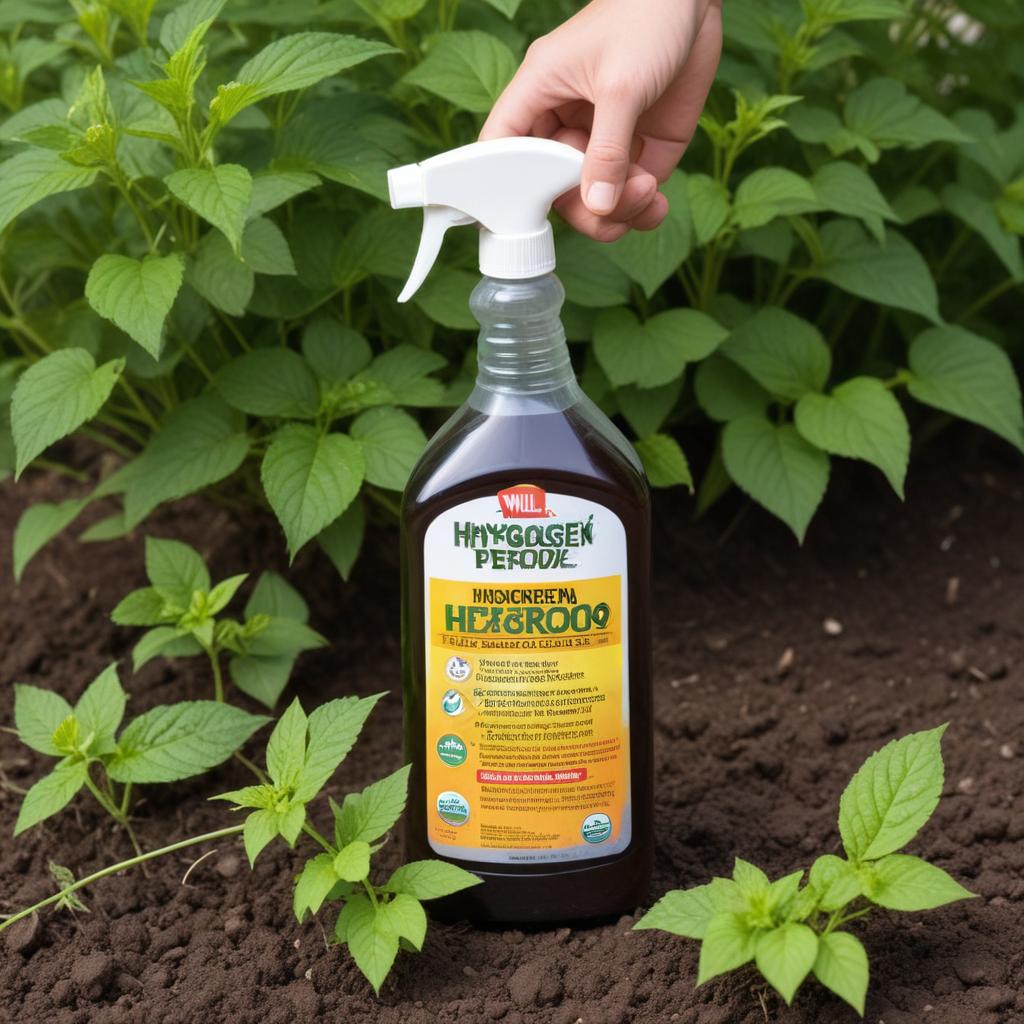
We’ve all been there – a stubborn weed clinging to a garden bed or a patch of creeping ivy stealing the sunlight from your prized roses. The frustration is real, and traditional methods like digging or chemical herbicides can be harsh on the environment and potentially damaging to nearby plants.
But what if there was a natural, effective solution?
Hydrogen peroxide, often promoted as a natural weed killer, has gained attention among gardeners looking for eco-friendly alternatives. It’s a fascinating chemical with surprisingly powerful effects, making many people wonder whether it can actually eliminate weeds.
In this article, we dive deep into the science behind hydrogen peroxide’s weed-killing capabilities, examine its effectiveness across various weed types, and provide a practical guide to using it safely. If you enjoy learning practical home and garden solutions like this, you may also like our guide on creative home upgrades like a faux brick feature wall that can transform your living space.
Our goal is simple: give you the knowledge you need to decide whether hydrogen peroxide belongs in your weed-control routine.
Understanding the Chemistry Behind the Kill
Hydrogen peroxide (H₂O₂) is a powerful oxidizing agent. This means it reacts easily with other substances, breaking them down at a cellular level. That reactivity is exactly what makes it effective against weeds.
Unlike many chemical herbicides that only slow plant growth, hydrogen peroxide disrupts the internal cell structure of weeds. It damages plant tissue and causes cells to rupture, eventually killing the plant.
The reaction happens quickly—often within minutes to an hour depending on factors such as:
-
Weed species
-
Hydrogen peroxide concentration
-
Weather conditions
Hydrogen peroxide works by breaking down chlorophyll, the green pigment plants need for photosynthesis. Without chlorophyll, the plant cannot produce energy and gradually dies.
Most household hydrogen peroxide solutions come in different strengths:
-
3% solution – best for small weeds
-
6% solution – stronger and better for stubborn weeds
-
9% solution – used cautiously for tougher infestations
While generally safe, hydrogen peroxide is mildly acidic and can irritate skin and eyes. Always wear gloves and protective eyewear when applying it.
If you’re exploring other DIY home and garden improvement ideas, our guide on installing a faux brick feature wall also covers creative ways to upgrade your space naturally.
Testing the Waters: Effectiveness Across Weed Types
We conducted several tests on common garden weeds to evaluate how well hydrogen peroxide performs. The results varied depending on weed type and concentration used.
Dandelion
Dandelions were fairly easy to eliminate. A 3% hydrogen peroxide solution killed them effectively, though it took a few hours for the patch to clear. A 6% solution worked much faster.
Crabgrass
Crabgrass proved more stubborn. A 3% solution slowed its growth but required repeated applications. A stronger 6% solution delivered noticeably better results.
Thistle
Thistles are known for being difficult to control. A 3% solution worked but required multiple treatments. A 6% solution proved much more consistent and effective.
Bindweed
Bindweed is notoriously persistent. Hydrogen peroxide didn’t fully eliminate it but significantly slowed its growth, making it easier to pull manually.
Chickweed
Chickweed responded extremely well. A 3% solution eliminated it quickly, while a 6% solution prevented regrowth for longer.
These experiments confirm that hydrogen peroxide can be a useful natural weed control solution, especially for smaller infestations.
For more practical home and outdoor tips like this, you can revisit our complete guide on using hydrogen peroxide to kill weeds anytime.
Beyond the Basics: Tips for Better Results
While hydrogen peroxide can work well, using it correctly makes a big difference. Here are several important tips.
Soil Conditions
Hydrogen peroxide works best in well-drained soil. Heavy clay soils can slow penetration and reduce effectiveness.
Sunlight Exposure
Sunlight accelerates the reaction that damages weed cells. Treat weeds during sunny conditions for best results.
Temperature
Warm temperatures help speed up the reaction. However, extreme heat may damage nearby plants.
Pre-Treatment
Applying hydrogen peroxide to actively growing weeds improves its effectiveness since the plant is absorbing nutrients rapidly.
Combine with Other Methods
Combining peroxide treatments with mulching or hand-pulling creates a more effective long-term weed control strategy.
Safety First: Handling and Storage
Even though hydrogen peroxide is considered relatively safe, proper precautions are essential.
Follow these safety practices:
-
Wear gloves when applying
-
Use protective eyewear
-
Work in a ventilated area
-
Never mix hydrogen peroxide with bleach
-
Store in a cool, dark place away from sunlight
Proper handling ensures safe and effective use in your garden.
Sustainable Gardening Benefits
Many gardeners prefer hydrogen peroxide because it supports eco-friendly gardening practices.
Here are some of its sustainability advantages:
Reduced Chemical Use
It offers a natural alternative to synthetic herbicides.
Biodegradable
Hydrogen peroxide breaks down into oxygen and water, leaving minimal environmental impact.
Affordable
It’s usually cheaper than commercial weed killers.
Improves Soil Competition
By eliminating weeds, your plants get better access to water and nutrients.
These benefits make hydrogen peroxide appealing for gardeners who want natural gardening solutions.
Limitations and Potential Concerns
Despite its advantages, hydrogen peroxide isn’t a perfect weed control method.
Consider these limitations:
Slower Results
It doesn’t kill weeds instantly and may require multiple applications.
Best for Small Areas
Large infestations may require more efficient solutions.
Potential Root Damage
Overuse could damage nearby plant roots.
Understanding these limitations helps you decide when hydrogen peroxide is the right tool.
Resources for Further Information
If you want to learn more about natural weed control, check out these resources:
https://www.thespruce.com/hydrogen-peroxide-weed-killer-4177337
https://www.organicgardening.net/hydrogen-peroxide-weed-control/
You can also explore more home and garden inspiration on Smart Home Tips, including creative projects like designing a faux brick feature wall to upgrade your living space.