
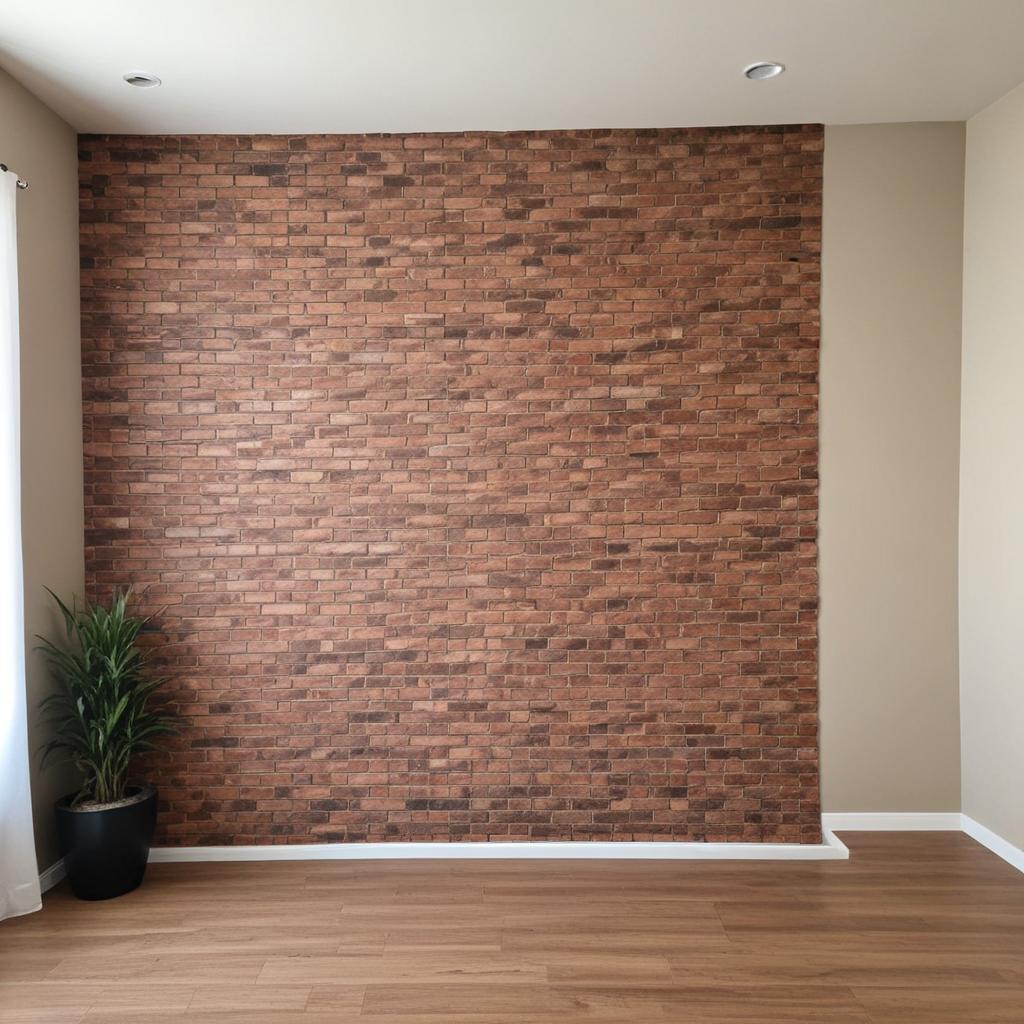
Are you looking to add a touch of rustic elegance to your home without the hefty price tag of real brick? Consider a faux brick feature wall – a surprisingly versatile and increasingly popular design choice. These meticulously crafted replicas offer a similar aesthetic to natural stone, but with the added benefit of durability and ease of maintenance.
They’re becoming a favorite for homeowners seeking a sophisticated, layered look while maintaining a comfortable and inviting atmosphere. This article will explore the benefits, installation considerations, and styling possibilities of faux brick feature walls, helping you confidently incorporate this stunning element into your space.
The Allure of Faux Brick: Why It’s Gaining Traction
For years, the image of a stone fireplace or a textured wall was synonymous with luxury and permanence. However, modern design trends have introduced faux brick as a more accessible and adaptable alternative.
The appeal lies in its ability to mimic the visual texture and warmth of natural brick without the commitment of sourcing and installing real masonry. This isn’t just about aesthetics—there are several practical reasons homeowners are choosing faux brick.
First, faux brick typically costs significantly less than traditional brick installations. The materials are more affordable, and installation is often quicker and less disruptive.
Second, faux brick is incredibly versatile. It complements many interior design styles, from rustic farmhouse interiors to sleek modern spaces. Homeowners who enjoy bold wall designs may also explore decorative options like a geometric accent wall, which uses painted patterns and shapes to create a striking visual centerpiece.
Finally, the durability of faux brick makes it an ideal choice for high-traffic areas or homes with children and pets.
Installation Considerations: Achieving a Realistic Look
The success of a faux brick feature wall depends on proper planning and preparation. Several factors influence how realistic and visually appealing the finished wall will appear.
Choosing the Right Faux Brick
Different manufacturers offer varying levels of realism. Some products closely replicate the natural variations of real brick, including color inconsistencies and textured surfaces.
Consider the color, texture, and pattern carefully. Darker shades often create a more dramatic effect, while lighter tones can produce a softer and more contemporary appearance.
Preparing the Surface
The wall surface beneath the faux brick must be properly prepared. This often involves repairing imperfections and smoothing the wall before installation.
If your wall has existing damage or structural flaws, you may need to address issues such as ceiling circle cracks or similar surface defects before starting the project.
Priming the wall and ensuring it is clean and level will help the faux brick adhere properly and last longer.
Professional Installation
While some faux brick panels are DIY-friendly, more complex designs may benefit from professional installation. Experienced installers can ensure proper alignment, secure adhesion, and a polished final appearance.
Styling Faux Brick: Creating a Unique Look
The beauty of faux brick lies in its adaptability. It can be styled in many different ways to match your home’s design aesthetic.
Vertical Stripes
A vertical stripe pattern using faux brick can create a sense of height and sophistication. Using contrasting colors can make the design more visually striking.
Layering
Layering faux brick sections creates a textured, dimensional look. This technique works particularly well in large rooms where the wall can become a focal point.
Color Blocking
Using different colored brick panels in distinct sections adds energy and contrast to the design.
Accent Walls
A single faux brick accent wall can instantly elevate the atmosphere of a room. This technique pairs well with thoughtful lighting—especially decorative fixtures like touch lamps that respond to touch which can highlight the wall’s texture during the evening.
Combining with Other Materials
Faux brick can be paired with wood, metal, or glass elements to create a layered and modern interior design.
Beyond the Basics: Advanced Techniques
For homeowners looking to achieve a more refined appearance, advanced installation techniques can make a big difference.
Using specialized adhesives designed for faux brick ensures strong bonding. Some installers also apply sealants or textured coatings to increase durability and visual realism.
Researching different product systems and consulting professionals can help you determine the best approach for your project.
The Impact on Different Interior Styles
Faux brick walls work well with a variety of interior styles.
In modern farmhouse interiors, they complement wooden beams and warm natural tones. In contemporary homes, they add texture to otherwise minimalist spaces.
They can also serve as a dramatic focal point similar to other decorative design elements, such as creative kitchen décor ideas like ways to fill the space above your stove.
The key is choosing a color and pattern that harmonizes with the rest of the room.
Maintenance and Longevity: Keeping Your Faux Brick Looking Great
Although faux brick is relatively durable, proper maintenance will help it retain its appearance.
Regular dusting with a soft cloth is usually sufficient. For tougher stains, a cleaner designed specifically for faux brick materials can be used.
Avoid harsh chemicals or abrasive cleaners, as they may damage the finish. Applying a protective sealant periodically can also help guard against moisture and UV exposure.
Following the manufacturer’s maintenance guidelines will ensure your faux brick wall remains beautiful for years.
Sustainability Considerations: Eco-Friendly Options
Many homeowners are now prioritizing environmentally responsible materials.
Some faux brick products are made using recycled materials or low-VOC manufacturing processes. Choosing eco-friendly paints and adhesives can also help maintain healthier indoor air quality.
When researching products, look for companies that clearly disclose their environmental practices.
Finding the Right Faux Brick for Your Project
Choosing the right faux brick product is an important step. Consider these factors:
Color and pattern – Ensure it complements your existing décor.
Texture – Select a texture that matches your room’s style.
Size and scale – Larger panels work well in bigger spaces.
Budget – Prices vary depending on quality and realism.
Consulting with a professional installer can help you make the best choice for your project.
Beyond the Wall: Creative Applications
Faux brick isn’t limited to walls. It can also be used in fireplaces, staircases, and decorative furniture accents.
Creative homeowners sometimes integrate faux brick into larger DIY home improvement projects, such as decorative wall panels or custom-built features similar to a DIY cinder block bench for outdoor seating.
These creative applications allow you to extend the rustic aesthetic throughout your home.
Resources for Further Research
Manufacturer Website
Home Improvement Websites
Online Home Improvement Forums
Exploring these resources can help you gather inspiration and technical guidance for your project.