
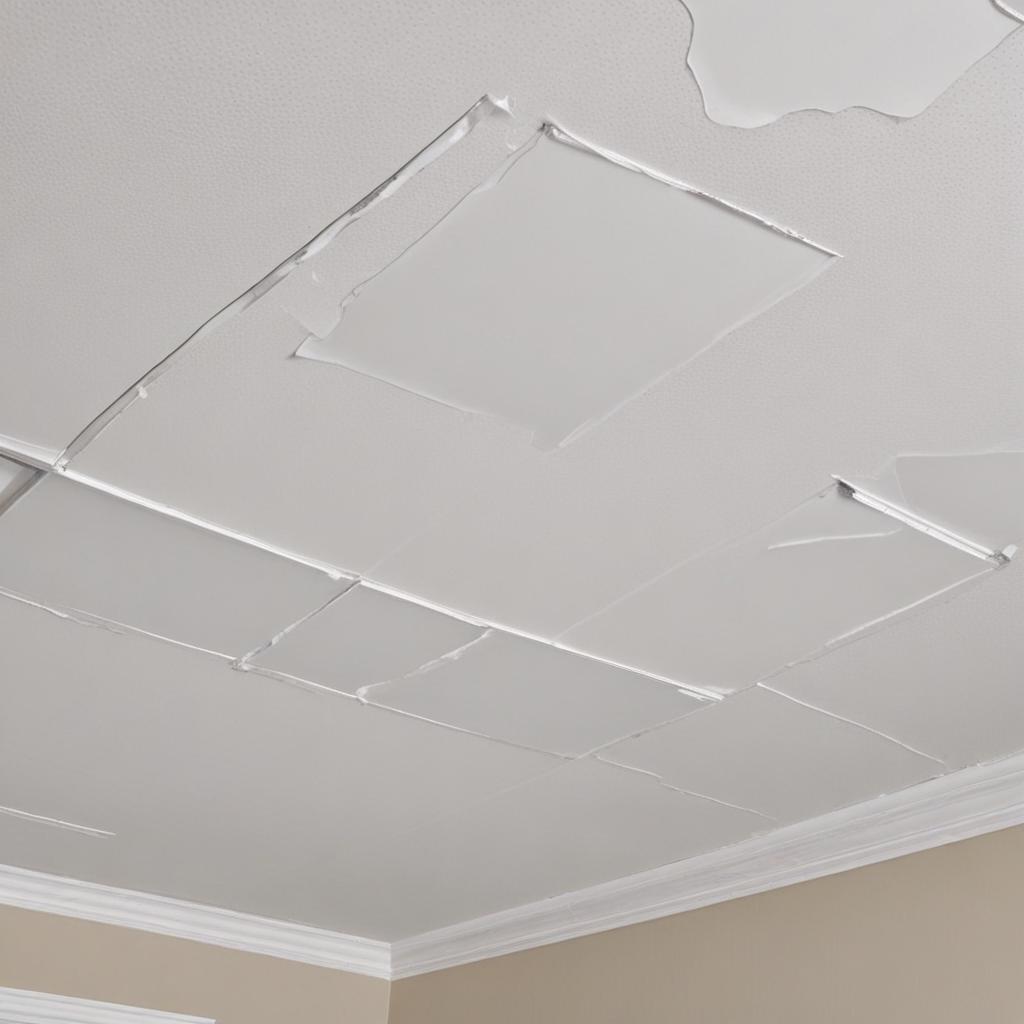
The unevenness of a ceiling can be a surprisingly frustrating issue, impacting both aesthetics and functionality. It’s a common problem, often stemming from a variety of factors, and thankfully, often solvable with a bit of detective work. Whether it’s a simple patch job or a more significant structural issue, understanding the potential causes is the first step toward a successful repair.
This article will delve into the most frequent culprits behind ceiling holes, offering practical solutions and guidance for homeowners tackling this common challenge. We’ll explore everything from age and moisture to potential problems with the original construction and provide a range of repair options to suit different budgets and skill levels. Let’s begin by understanding the common reasons why your ceiling is looking a little off.
Identifying the Root Cause: Common Causes of Ceiling Holes
Before diving into solutions, it’s crucial to pinpoint the reason for the hole. Simply slapping a patch on won’t magically fix the problem. Here’s a breakdown of the most frequent causes:
Age and Wear
This is often the most prevalent reason. Over time, plaster and drywall can deteriorate, leading to cracks and holes. As the material weakens, it’s more susceptible to damage from moisture, temperature fluctuations, and general wear and tear. Older homes, in particular, are prone to this issue.
Visible cracks are a strong indicator of age. If you are noticing circular cracks or unusual damage patterns, you might also want to learn more about ceiling circle cracks and what commonly causes them before holes begin to form.
Moisture Intrusion
Water leaks, even small ones, can cause significant damage to the ceiling. This can be from plumbing issues, roof leaks, or even condensation. The water expands as it evaporates, pushing against the weakened plaster and leading to cracks and eventual hole formation.
Pay close attention to areas around pipes, vents, and the roofline. In some homes, appliance issues such as electric water heater beeping may indicate system problems that could eventually contribute to moisture buildup and ceiling damage if left unchecked.
Poor Installation
If the original ceiling work wasn’t done correctly, it can create weaknesses that lead to future problems. This could involve inadequate drywall support, improper flashing, or a poorly sealed junction between the ceiling and the framing.
Structural Issues
In rare cases, a hole in the ceiling can be a sign of a more serious structural problem. This could involve sagging beams, loose or damaged joists, or even foundation issues. If you suspect a structural issue, it’s essential to consult with a qualified contractor.
Impact Damage
A sudden impact, such as a falling object or a heavy appliance, can create a hole in the ceiling. This is more likely to occur in areas with high foot traffic or near vulnerable points.
Sometimes fixture movement can also cause stress on the ceiling area. If you’ve ever wondered why light bulbs get loose in their sockets, it may indicate movement in the fixture that could eventually affect the surrounding ceiling material.
Repairing the Hole: Step-by-Step Solutions
Once you’ve identified the cause, you can move on to repair options. Here’s a breakdown of common methods, ranging from simple to more involved:
Patching with Drywall Compound
For small holes and cracks, patching with drywall compound is often the quickest and most affordable solution. Apply a thin layer of compound to the hole, feather the edges, and smooth it out with a putty knife. Allow it to dry completely, then sand it smooth. For larger holes, you might need to apply multiple layers of compound.
Joint Compound Patching
For larger holes or areas where the drywall is damaged, joint compound patching is a more robust option. This involves creating a “mold” around the hole to ensure a perfect fit, then applying multiple layers of joint compound, feathering the edges, and sanding smooth. This method provides a stronger, more durable repair.
Expanding Foam Repair
For holes that are significantly larger than a drywall patch, expanding foam can be effective. This foam expands when it hits moisture, effectively filling the void. It’s a good choice for areas prone to water damage. However, it’s important to use it correctly—follow the manufacturer’s instructions carefully to avoid creating a mess.
Recasting the Ceiling
For severely damaged ceilings, especially those with significant sagging or structural issues, recasting the ceiling may be necessary. This involves removing the existing ceiling and rebuilding it from scratch using new drywall and fasteners.
This type of repair is often similar to projects where homeowners need to fix a mobile home ceiling, which may require removing damaged sections and installing new support materials.
Flashboard Repair
This technique is particularly useful for repairing holes caused by water intrusion. A waterproof membrane is applied to the hole, creating a watertight seal. This is often used in conjunction with patching.
Additional Considerations & Preventative Measures
Beyond the repair process itself, taking preventative measures can significantly reduce the likelihood of future problems:
Regular Inspection
Inspect your ceiling regularly for signs of damage, such as cracks, water stains, or discoloration. Early detection is key to preventing more significant problems.
Maintain Proper Ventilation
Ensure adequate ventilation in your home to prevent moisture buildup. This is especially important in bathrooms and kitchens.
Address Leaks Promptly
Don’t ignore plumbing leaks. Address them as soon as possible to prevent water damage.
Seal Around Pipes and Vents
Use caulk or sealant to seal around pipes and vents to prevent water from entering the ceiling.
Consider Moisture Barrier
For areas prone to moisture, consider installing a moisture barrier to help prevent water damage.
Proper Lighting
Ensure adequate lighting in the ceiling area to help you spot any potential issues early.
Consider a Ceiling Repair Kit
For minor repairs, a ceiling repair kit can be a convenient and cost-effective option. These kits typically include all the necessary materials and instructions.
Budgeting for Ceiling Repair
The cost of ceiling repair can vary widely depending on the size of the hole, the type of material used, and the complexity of the repair. Here’s a general estimate:
Small Hole (less than 6 inches): $50 – $200
Medium Hole (6–12 inches): $150 – $500
Large Hole (over 12 inches): $300 – $1000+ (and potentially more for recasting)
It’s always a good idea to get a few quotes from different contractors before making a decision. Factor in the cost of materials, labor, and any potential unexpected expenses.
Resources for Further Information
Numerous resources are available to help you learn more about ceiling repairs:
The Spruce – Ceiling Repair
Family Handyman – How to Repair a Ceiling Hole
YouTube – Ceiling Repair Tutorial
By understanding the potential causes of ceiling holes and following these repair techniques, you can effectively address these issues and restore the beauty and functionality of your home.