
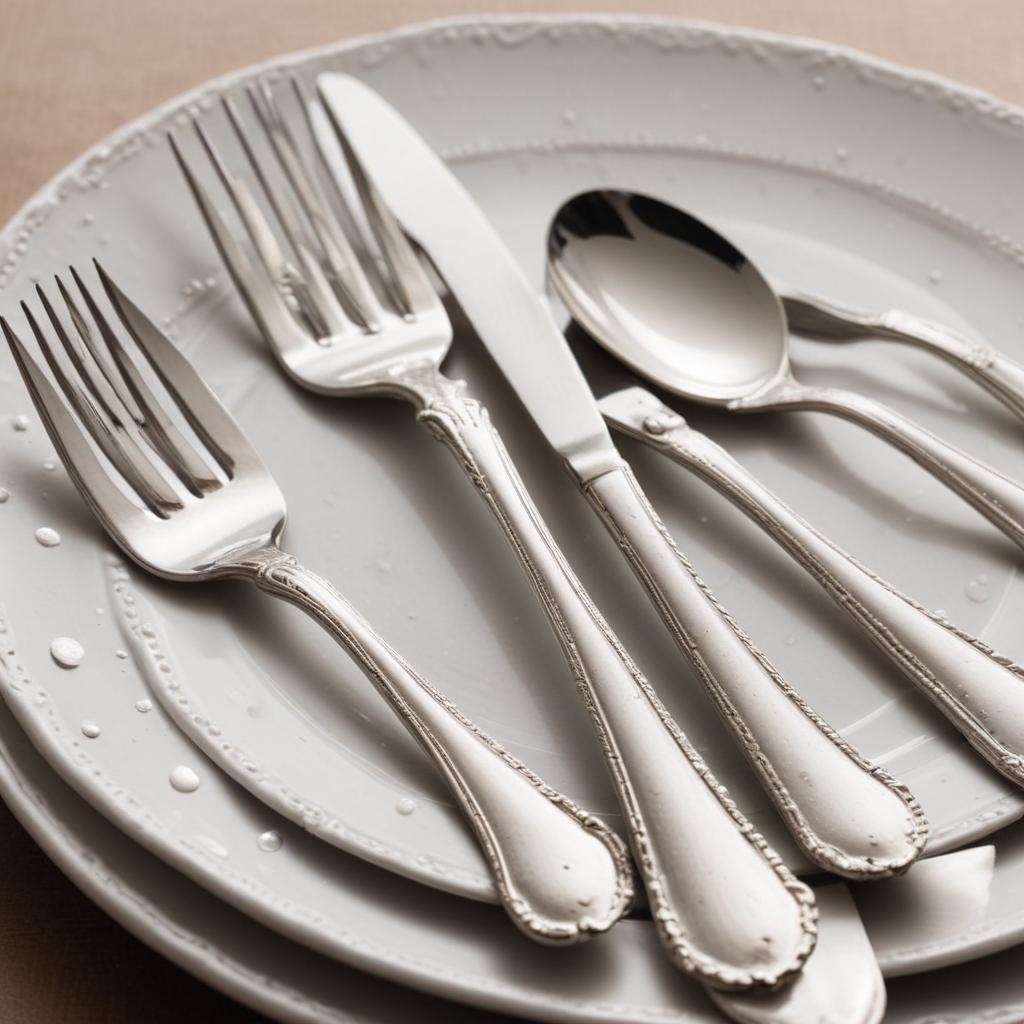
Water spots on silverware are a frustratingly common problem, appearing seemingly overnight and often leaving a lingering, unsightly mark. They’re a visual annoyance, but more importantly, they can subtly impact the appearance and even the feel of your silverware. Many people are understandably concerned about the potential staining and the effort required to restore their prized pieces. Fortunately, there are several effective strategies you can employ to banish these spots and keep your silverware looking its best. This article will delve into the causes of water spots and explore a range of solutions, from simple cleaning techniques to more specialized treatments, empowering you to reclaim the shine of your silverware. Let’s explore how to tackle this persistent issue and preserve the value of your silverware for years to come.
UNDERSTANDING THE ROOT CAUSE OF WATER SPOTS
Before diving into solutions, it’s crucial to understand why water spots form in the first place. The primary culprit is the mineral content in water – specifically, the presence of minerals like calcium and iron. When water comes into contact with silver, these minerals react, creating a dull, hazy surface. This isn’t just a cosmetic issue; it can actually accelerate tarnishing over time. Factors like hard water, particularly with high levels of dissolved minerals, significantly increase the likelihood of spotting. Furthermore, the way you wash your silverware – whether it’s a gentle soak or a vigorous scrub – plays a vital role. Rough handling, excessive scrubbing, and prolonged exposure to warm water can exacerbate the problem. Finally, certain types of silverware, like those with intricate detailing or plated finishes, are more prone to water spot formation due to the increased surface area exposed to the water. Learn more about dealing with materials like these in your DIY projects.
SIMPLE CLEANING TECHNIQUES – A FIRST LINE OF DEFENSE
Don’t underestimate the power of basic cleaning! These techniques are often surprisingly effective at removing light water spots and preventing future formation.
- Warm Water and a Soft Cloth: This is the cornerstone of any silver care routine. Start by rinsing your silverware under warm, soapy water. Use a soft, lint-free cloth to gently wipe the surface, working from the outside in. Avoid abrasive scrubbers, as they can scratch the silver. Check out tips for cleaning delicate surfaces.
- Vinegar Solution: A diluted vinegar solution (1 part white vinegar to 3 parts water) is a fantastic natural cleaner. Vinegar’s acidity helps dissolve mineral deposits without damaging the silver. Apply the solution to the surface, let it sit for a few minutes, and then gently wipe with a soft cloth. Rinse thoroughly with warm water. Explore more natural solutions for cleaning.
- Lemon Juice: Similar to vinegar, lemon juice contains citric acid, which is effective at removing stains and brightening silver. Apply a small amount of lemon juice to the surface, let it sit for 30 minutes, and then wipe clean. Be cautious with lemon juice on plated silverware, as it can potentially dull the finish. Learn how to safely clean your items without damaging them.
- Baking Soda Paste: For stubborn spots, make a paste of baking soda and water. Gently apply the paste to the affected area, let it sit for a few minutes, and then gently rub with a soft cloth. Rinse thoroughly. For other household DIY solutions, visit this page.
DEEP CLEANING SOLUTIONS – FOR MORE STUBBORN SPOTS
If the simple techniques aren’t enough, it’s time to move on to more powerful solutions.
- Commercial Silver Polish: There are numerous commercial silver polishes available, formulated to remove tarnish and restore shine. Follow the manufacturer’s instructions carefully. Look for polishes specifically designed for your type of silverware (e.g., antique, stainless steel). Ensure you’re using a polish appropriate for your silverware’s finish. Check out these expert guides on home improvements.
- Commercial Tarnishing Removers: These products are designed to chemically dissolve tarnish. They often contain ingredients like citric acid or EDTA. Again, read the product instructions and test on an inconspicuous area first. For similar cleaning guides on other surfaces, see here.
- Hydrogen Peroxide (Use with Caution): Hydrogen peroxide can be effective for removing stubborn tarnish, but it’s crucial to use it sparingly and with caution. Dilute 3% hydrogen peroxide with equal parts water. Apply to the affected area, let it sit for a few minutes, and then gently wipe clean. Always test on a hidden area first to ensure it doesn’t damage the silver. For more tips on using common products safely, explore our advice.
SPECIALIZED TREATMENTS – ADDRESSING SPECIFIC ISSUES
- Silver Cloths: Investing in a good quality silver cloth is a worthwhile investment. These cloths are specifically designed to gently clean and polish silverware without scratching. They’re a fantastic alternative to abrasive cloths. For other polishing tips, see this DIY guide.
- Ultrasonic Cleaners: For heavily tarnished silverware, an ultrasonic cleaner can be a very effective method. These devices generate high-frequency sound waves that create microscopic bubbles that lift away tarnish. They require a bit of setup and can be more expensive than other methods. Explore how to maintain your equipment effectively.
- Professional Restoration: If you have particularly valuable or delicate silverware with extensive staining, consider consulting a professional silver restoration specialist. They have the expertise and tools to address complex problems and restore your silverware to its former glory. For other professional repair guides, check out this resource.
PREVENTION IS KEY – MAINTAINING A SPARKLING SILVER
The best way to combat water spots is to prevent them in the first place.
- Distilled Water: Using distilled water in your dishes and glassware is the simplest way to reduce mineral buildup. Learn more about safe water usage for cleaning.
- Dishwasher Settings: Use a delicate cycle with a vinegar rinse to help remove mineral deposits. For more dishwasher hacks, visit here.
- Regular Cleaning: Wipe down your silverware after each use to prevent buildup. Check out our tips on regular cleaning.
- Storage: Store your silverware in a dry place, away from direct sunlight and humidity. For storage solutions and organization tips.
RESOURCES FOR FURTHER INFORMATION
Numerous resources are available to help you learn more about silver care and restoration. Here are a few recommended websites:
By following these tips and techniques, you can effectively remove water spots from your silverware and keep it looking its best for years to come. Remember, consistent care and attention to detail are key to preserving the beauty and value of your treasured silverware.