
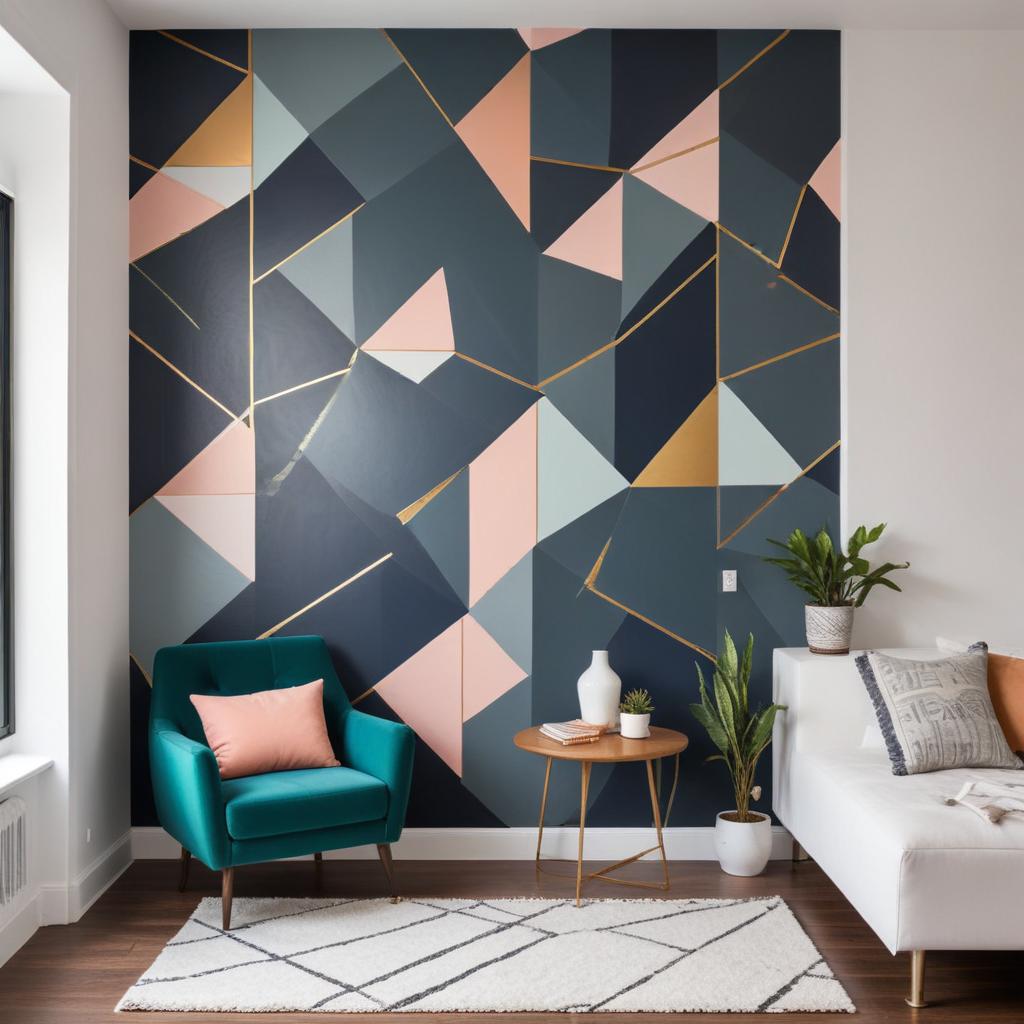
The world of interior design is constantly evolving, with trends shifting and new possibilities emerging all the time. For homeowners seeking to elevate their living spaces and create a truly unique atmosphere, the concept of a geometric accent wall is gaining significant traction. It’s more than just a decorative element; it’s a strategic choice that can dramatically impact the overall aesthetic and functionality of a room.
This article will delve into the benefits, different styles, installation considerations, and ultimately how incorporating a geometric accent wall can transform your home.
Understanding the Appeal of Geometric Accents
For years, traditional wall finishes like paint and wallpaper dominated the home décor landscape. However, there’s a growing desire for bolder, more dynamic designs. Geometric accent walls represent a significant shift, offering a visually stimulating and sophisticated alternative.
They’re instantly recognizable and lend a sense of modern elegance, often commanding attention without being overwhelming. The appeal lies in their inherent structure – the repetition of shapes and lines – which creates a sense of order and visual interest. It’s a way to break free from the monotony of a purely neutral palette and inject personality into a space.
Homeowners who enjoy creative wall designs often explore other decorative wall options as well. For example, a faux brick feature wall can provide a rustic and textured alternative while still creating a strong visual focal point.
The rise of contemporary design, particularly minimalism and mid-century modern, has been a major driver behind the popularity of geometric accents. These styles embrace clean lines, simple forms, and a focus on functionality, and a geometric wall seamlessly integrates these principles.
Furthermore, the inherent visual impact of geometric shapes – triangles, squares, circles, and their combinations – is undeniably captivating. It’s a design choice that speaks to a desire for sophistication and a refined aesthetic.
Different Styles of Geometric Accent Walls
The beauty of a geometric accent wall lies in its versatility. It doesn’t have to be a rigid, boxy structure. Different styles can be employed to achieve a variety of effects, each with its own unique aesthetic.
Triangle Walls
Perhaps the most popular choice, triangle accents create a dynamic and energetic feel. They can be achieved with a single, large triangle painted in a bold color, or by layering smaller triangles in varying shades. This style is particularly effective in smaller spaces, maximizing visual impact.
Square Walls
Square accents provide a sense of stability and formality. They can be implemented with a single, large square painted in a contrasting color, or by creating a series of smaller squares with varying textures. Square walls are often used to add a touch of classic elegance.
Circular Walls
Circular accents introduce a playful and slightly whimsical element. They can be achieved with a single, large circle painted in a vibrant color, or by creating a series of smaller circles with different patterns. Circular accents are excellent for adding a touch of fun and personality.
Abstract Geometric Patterns
Rather than focusing on literal shapes, abstract geometric patterns offer a more artistic and contemporary approach. These can be created using paint, wallpaper, or even textured panels.
Some homeowners even combine abstract shapes with bold wall treatments such as a geometric accent wall style layout that mixes paint lines, tape designs, and color blocking techniques.
Layered Geometric Effects
Combining multiple geometric shapes and textures creates a complex and layered effect. This technique is particularly effective in larger spaces, allowing for a more immersive and dramatic visual experience.
Installation Considerations: Planning for Success
Before embarking on the installation of a geometric accent wall, careful planning is essential. Several factors need to be considered to ensure a successful and aesthetically pleasing result.
Wall Type
The type of wall you’re working with will influence the installation process. Smooth plaster walls are generally easier to work with than textured walls, and drywall walls require careful priming and patching.
If your walls already have damage or imperfections, you may first need to repair issues such as ceiling circle cracks or other surface defects to achieve a smooth painting surface.
Color Matching
Choosing a color that complements the existing color scheme of the room is crucial. Consider the overall mood you’re trying to create – a bold, vibrant accent wall will create a different atmosphere than a subtle, muted one.
Paint Preparation
Proper priming is essential for any paint project, especially when working with textured walls. A good primer will ensure a smooth, even surface and prevent the paint from being absorbed unevenly.
Hardware and Trim
The choice of hardware (nails, screws, brackets) and trim will impact the overall look of the accent wall. Consider the style of the existing trim and choose hardware that complements it.
Professional Installation
For complex installations or larger projects, it’s often advisable to hire a professional painter or contractor. They have the expertise and tools to ensure a flawless finish.
Beyond the Aesthetic: Functional Benefits
While the visual appeal of a geometric accent wall is undeniable, it’s important to consider its functional benefits. These walls can significantly impact the room’s functionality and create a more cohesive space.
Creating Visual Depth
Geometric shapes naturally create a sense of depth, making a room feel larger and more open.
Highlighting Architectural Features
Accent walls can draw attention to existing architectural features, such as moldings, beams, or columns.
Improving Lighting
Strategic placement of lighting can enhance the visual impact of a geometric accent wall, creating a dramatic and inviting atmosphere.
Adding a Focal Point
A well-executed geometric accent wall can serve as a focal point in a room, drawing the eye and creating a sense of visual interest. Other design techniques, such as decorating the kitchen area creatively, can also add style—for example, exploring ways to fill the space above your stove can complement a modern interior design theme.
Sustainability Considerations
Increasingly, homeowners are prioritizing sustainable choices. When selecting materials for a geometric accent wall, consider the environmental impact.
Eco-Friendly Paints
Opt for paints with low or zero VOCs (volatile organic compounds) to minimize air pollution.
Recycled Materials
Explore using recycled materials for trim and hardware, such as reclaimed wood or recycled metal.
Low-VOC Alternatives
Consider using low-VOC adhesives and sealants to reduce the release of harmful chemicals into the environment.
Resources for Further Exploration
Numerous resources offer valuable insights into geometric accents and related design trends.
Pinterest
Houzz
The Spruce
By carefully considering these factors, homeowners can confidently incorporate a geometric accent wall into their space and create a truly stunning and functional design.