
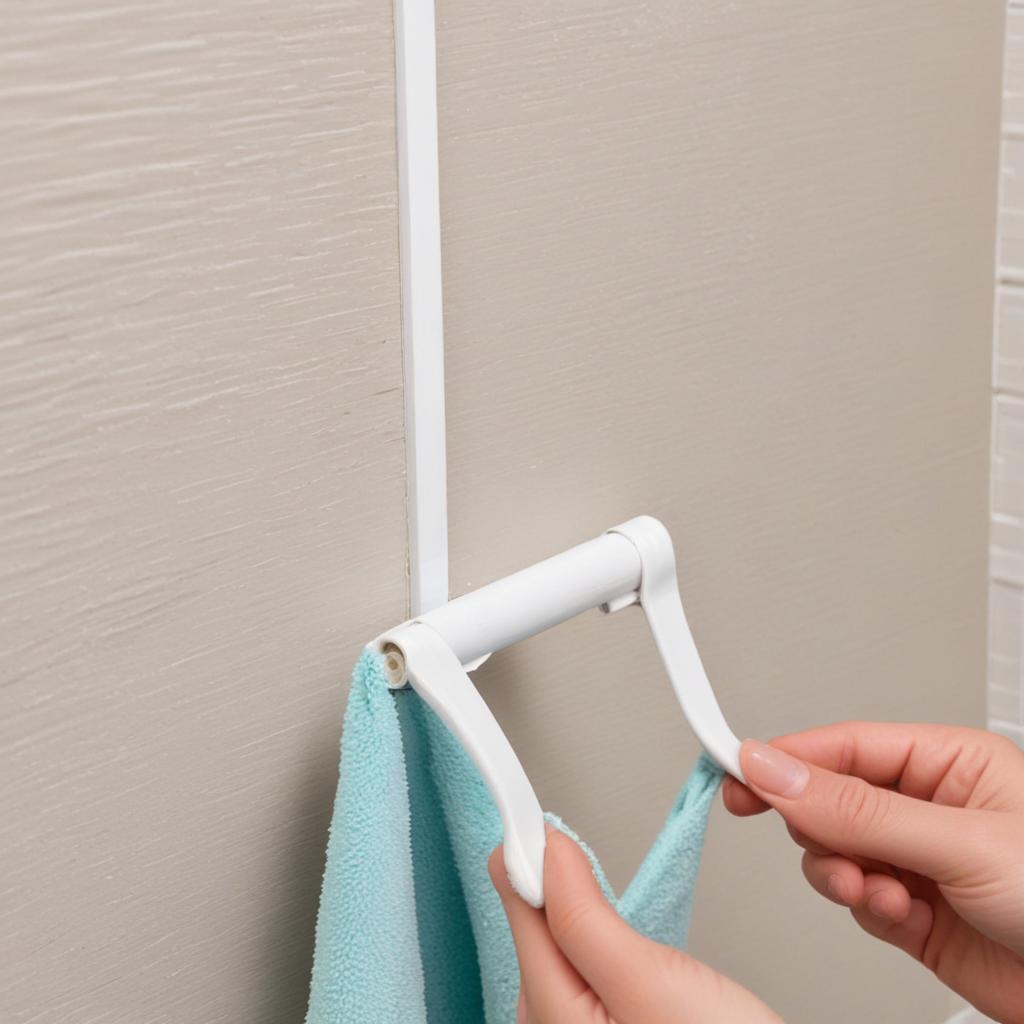
Installing command strip hangers can often feel like a frustrating battle. Many homeowners struggle with the challenge of securing them to walls with textured surfaces — such as plaster, rough drywall finishes, or slightly porous tiles. The result is often the same: hangers that wobble, peel away, or simply refuse to stick properly.
Fortunately, several effective strategies can help you overcome this problem. By preparing the surface properly and using the right installation techniques, you can achieve a secure and long-lasting hold.
In this guide, we’ll explore the best methods for attaching command strips to textured bathroom walls while minimizing wall damage and maximizing stability. If you enjoy practical home improvement solutions like this, you may also find our guide on removing dog scratches from hardwood floors without refinishing helpful for maintaining other areas of your home.
Understanding Textured Wall Surfaces
Before applying command strips, it’s important to understand why they often fail on textured walls.
Textured walls contain small bumps, ridges, and uneven surfaces. These irregularities reduce the contact area between the adhesive and the wall. Since command strips rely on a smooth surface to create a strong bond, the adhesive may not grip properly on textured materials.
Some wall finishes are also porous, which can weaken adhesive strength even further.
Because of these challenges, successful installation requires extra preparation and the right adhesive techniques.
Method 1: Surface Preparation – The Foundation of a Strong Bond
Proper preparation is the most important step when installing command strips on textured surfaces.
Clean the Surface Thoroughly
Start by cleaning the wall with a damp sponge and mild detergent. Remove:
-
Dust
-
Dirt
-
Grease
-
Loose paint
Rinse with clean water and allow the wall to dry completely. Even small amounts of residue can prevent the adhesive from bonding effectively.
Smooth Out Rough Areas
If the texture is extremely rough, consider applying a thin smoothing compound designed for drywall or plaster. This can create a more even surface for the adhesive to grip.
Always test the compound on a hidden section of the wall first.
Light Sanding
In some cases, gentle sanding with fine-grit sandpaper (220 grit) can slightly smooth the wall texture. Be careful not to over-sand, as this could damage the wall finish.
Method 2: Choosing the Right Adhesive
The type of adhesive used can make a big difference when working with textured walls.
Contact Cement
Contact cement is often the most effective option. It bonds well to porous materials and provides a durable hold even on uneven surfaces.
Construction Adhesive
Liquid construction adhesives can also work well for moderate textures. Choose one designed specifically for interior wall applications.
Avoid Latex Adhesives
Standard latex adhesives typically do not bond well with textured surfaces and may leave residue behind.
Method 3: Proper Installation Techniques
Even with the right adhesive, proper installation is essential.
Position the Strip Carefully
Start by positioning the command strip at a slight angle. This helps distribute the adhesive evenly across the surface.
Apply Adhesive Evenly
Use a small putty knife to apply a generous bead of adhesive. Work it into the textured areas so that it fills small gaps in the wall surface.
Secure the Strip
Press the strip firmly against the wall while keeping pressure even. Avoid pushing too hard, as this could damage the wall surface.
Allow Proper Drying Time
Always follow the manufacturer’s drying instructions. Disturbing the strip before the adhesive cures can weaken the bond.
Homeowners who enjoy solving everyday household problems with simple techniques may also appreciate natural DIY solutions like using hydrogen peroxide to kill weeds in your garden.
Method 4: Fixing Stubborn Spots
Even with careful preparation, some areas may still struggle to hold the strip securely.
Use Gentle Heat
A low-heat hair dryer can slightly warm the adhesive and improve bonding. Apply heat carefully and avoid overheating the wall.
Buff the Surface
A clean microfiber cloth can remove residue or dust that may interfere with adhesion.
Advanced Techniques for Difficult Walls
If your bathroom wall has a very rough texture, additional methods may help.
Apply a Bonding Agent
Bonding agents are designed to improve adhesion on uneven surfaces and can help command strips stick more securely.
Create a Protective Adhesive Layer
Some installers apply a thin layer of wax or silicone sealant after placing the adhesive. This helps strengthen the bond and protect the installation.
If you’re planning to upgrade your bathroom or interior walls in general, you might also enjoy learning how to install a stylish faux brick feature wall for a modern design touch.
Choosing the Right Command Strips
Not all command strips perform the same on textured walls.
Here are some options to consider:
Standard Command Strips
These work on lightly textured walls but may struggle with rough finishes.
Textured Surface Command Strips
Some command strips are specifically designed to grip uneven surfaces and offer stronger adhesion.
Match the Strip to Your Wall Material
Different materials such as plaster, drywall, and tile may require different adhesive solutions.
For a complete step-by-step guide, you can also review our detailed article on how to attach command strip hangers to textured bathroom walls.
Maintenance and Troubleshooting
To keep your command strip installation secure over time, regular maintenance helps.
Inspect Periodically
Check the strips occasionally to make sure they remain firmly attached.
Reapply Adhesive if Necessary
If the adhesive weakens, apply a small additional amount to reinforce the bond.
Fix Peeling Early
If a strip starts peeling, press it back into place and allow it to dry again.
When to Consider Professional Installation
If the wall texture is extremely rough or the installation needs to support heavy items, professional installation may be the best option.
Professionals have specialized tools and adhesives designed for difficult surfaces.
Final Thoughts
Attaching command strip hangers to textured bathroom walls can be challenging, but it is definitely possible with the right approach. Proper surface preparation, the right adhesive, and careful installation techniques are the keys to success.
With a little patience and the methods described in this guide, you can secure your command strips effectively and enjoy a cleaner, more organized bathroom without damaging your walls.