
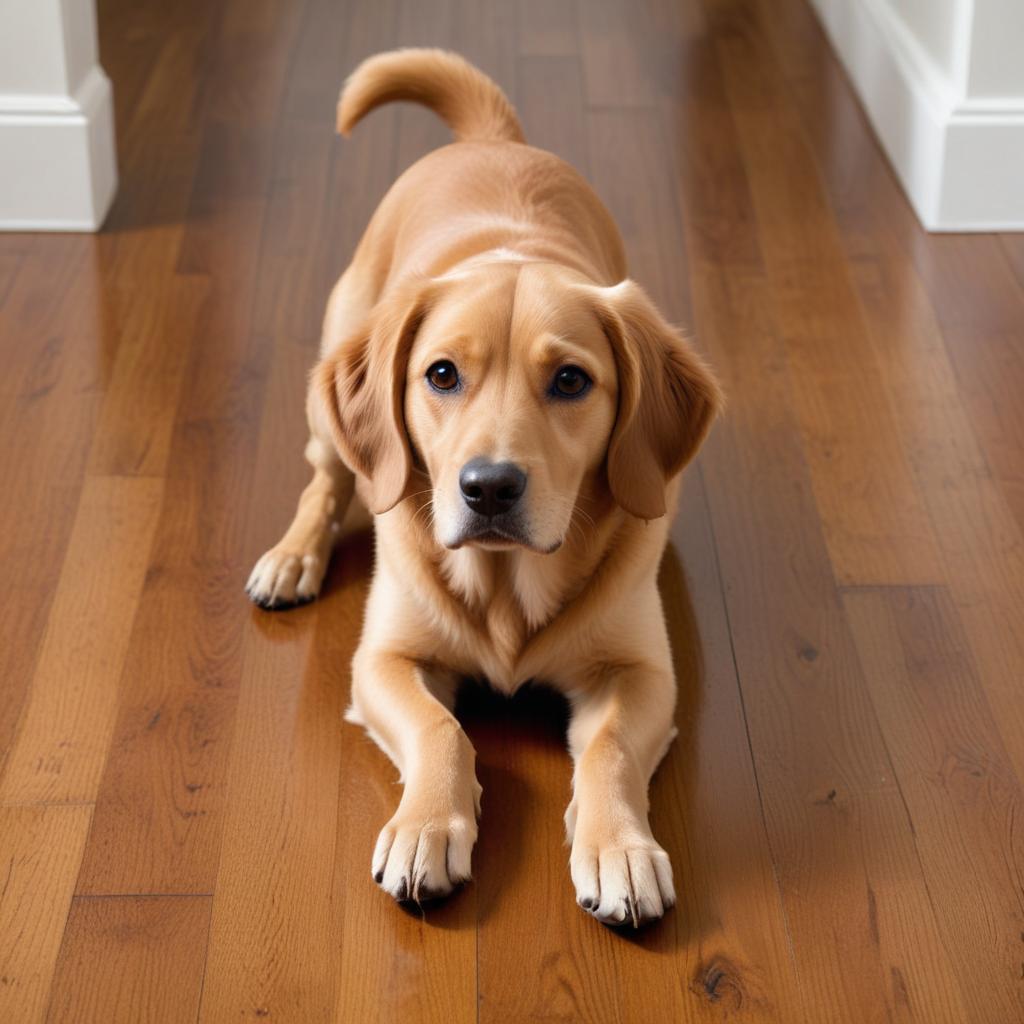
A frustrating reality for many dog owners is dealing with the inevitable scratches on hardwood floors. While professional refinishing is often the desired outcome, it can be a costly and time-consuming process. Fortunately, there are several effective and surprisingly simple methods to address these marks without sanding or refinishing the entire floor.
In this guide, we’ll explore practical techniques ranging from gentle cleaning to targeted repair treatments. These solutions can help restore the look of your floors and reduce the appearance of scratches caused by your pet. If you’re interested in improving your home’s interior while protecting surfaces, you might also enjoy our guide on creating a stylish faux brick feature wall to upgrade your living space.
Let’s look at how you can tackle this common problem effectively and affordably.
Understanding the Damage: Types of Dog Scratches
Before choosing a repair method, it’s important to understand the different types of scratches dogs may leave on hardwood floors.
Light Scratches
These appear as shallow surface lines and are usually caused by gentle contact with a dog’s nails. They are often barely visible and are the easiest to repair.
Moderate Scratches
Moderate scratches are deeper and may feel slightly rough to the touch. They often occur when dogs run or slide across the floor.
Severe Scratches
These are deeper grooves that may include discoloration or uneven surfaces. They require more targeted repair techniques.
Understanding the severity of the damage helps determine which repair method will work best.
Cleaning Techniques: The First Line of Defense
Sometimes scratches appear worse because of dust and debris lodged inside them. Cleaning the area properly is always the first step.
Use a damp microfiber cloth with mild dish soap diluted in water. Avoid harsh chemicals that can damage the hardwood finish.
Steps to follow:
-
Wipe the scratched area gently.
-
Remove dust and debris.
-
Dry the surface immediately with a clean cloth.
For stubborn marks, you can use a baking soda paste (baking soda mixed with a small amount of water). Apply it gently to the scratch and wipe clean after a few minutes.
Baking soda acts as a mild abrasive and can help lift light marks without damaging the wood.
Addressing Moderate Scratches: The Magic of Wax
For moderate scratches, hardwood floor wax can be very effective.
Wood wax works by filling the scratch and restoring the smooth appearance of the floor surface.
How to apply it:
-
Choose wax designed specifically for hardwood floors.
-
Match the color with your flooring.
-
Apply a thin layer over the scratch.
-
Allow it to dry completely for 24–48 hours.
This technique works especially well for shallow to medium scratches and can dramatically improve the floor’s appearance.
The Power of Wood Filler: A Targeted Repair Method
If the scratch is deeper, wood filler may be necessary.
Wood filler is a putty-like material designed to fill imperfections in wood surfaces.
Steps:
-
Select a filler that matches your floor color.
-
Press the filler gently into the scratch.
-
Allow it to dry fully.
-
Sand lightly with fine-grit sandpaper (220 grit).
This will smooth the repaired area and help blend it with the surrounding wood.
Specialized Solutions for Deep Scratches
Deep scratches sometimes cause discoloration in hardwood flooring. In these cases, you may need a wood repair or color restoration product.
These solutions contain pigments designed to restore the wood’s natural color and reduce visible damage.
Always test the product in a hidden area before applying it to a visible section of the floor.
Homeowners who enjoy practical home improvement solutions might also appreciate natural DIY tips like using hydrogen peroxide for weed control in the garden, which shows how common household items can solve everyday problems.
The Role of Stain and Color Correction
Sometimes scratches occur because the finish has faded rather than because the wood is deeply damaged.
Applying a matching wood stain can help restore the floor’s color.
Steps:
-
Choose a stain that matches the hardwood tone.
-
Apply it lightly with a cloth or brush.
-
Allow it to dry completely.
This method works best for light scratches that have affected the floor’s color rather than the wood itself.
Preventative Measures: Protecting Hardwood Floors from Dogs
Prevention is the best long-term strategy for keeping hardwood floors looking great.
Here are several ways to protect your flooring:
-
Trim your dog’s nails regularly.
-
Use rugs in high-traffic areas.
-
Sweep floors frequently to remove debris.
-
Use hardwood floor protector sprays.
Taking these steps can significantly reduce future damage.
If you want a complete guide on this topic, you can always revisit our detailed article on how to remove dog scratches from hardwood floors without refinishing for more tips and solutions.
DIY vs Professional Floor Restoration
Not every scratch can be fixed with DIY methods.
Minor scratches are easy to repair using cleaning, wax, or wood filler. However, deeper damage may require professional restoration.
Professional services use specialized equipment to repair floors while preserving their original finish.
If the scratches cover a large area or involve structural damage, professional repair may be the best option.
Cost Considerations
Repair costs depend on the method used.
Typical estimates:
-
Cleaning solutions: $20 – $50
-
Wood filler and repair kits: $50 – $150
-
Professional repair services: $100 – $500+
DIY solutions are often the most affordable option for small repairs.
Resources for Further Information
Here are helpful resources if you want to learn more about hardwood floor repair:
-
The Spruce – How to Repair Dog Scratches on Hardwood Floors
-
Home Depot – Wood Repair and Restoration
-
YouTube – Hardwood Floor Scratch Repair Tutorials
By following these techniques, you can significantly improve the appearance of scratched hardwood floors without the expense of full refinishing. With proper maintenance and preventative care, your floors can remain beautiful for many years.