
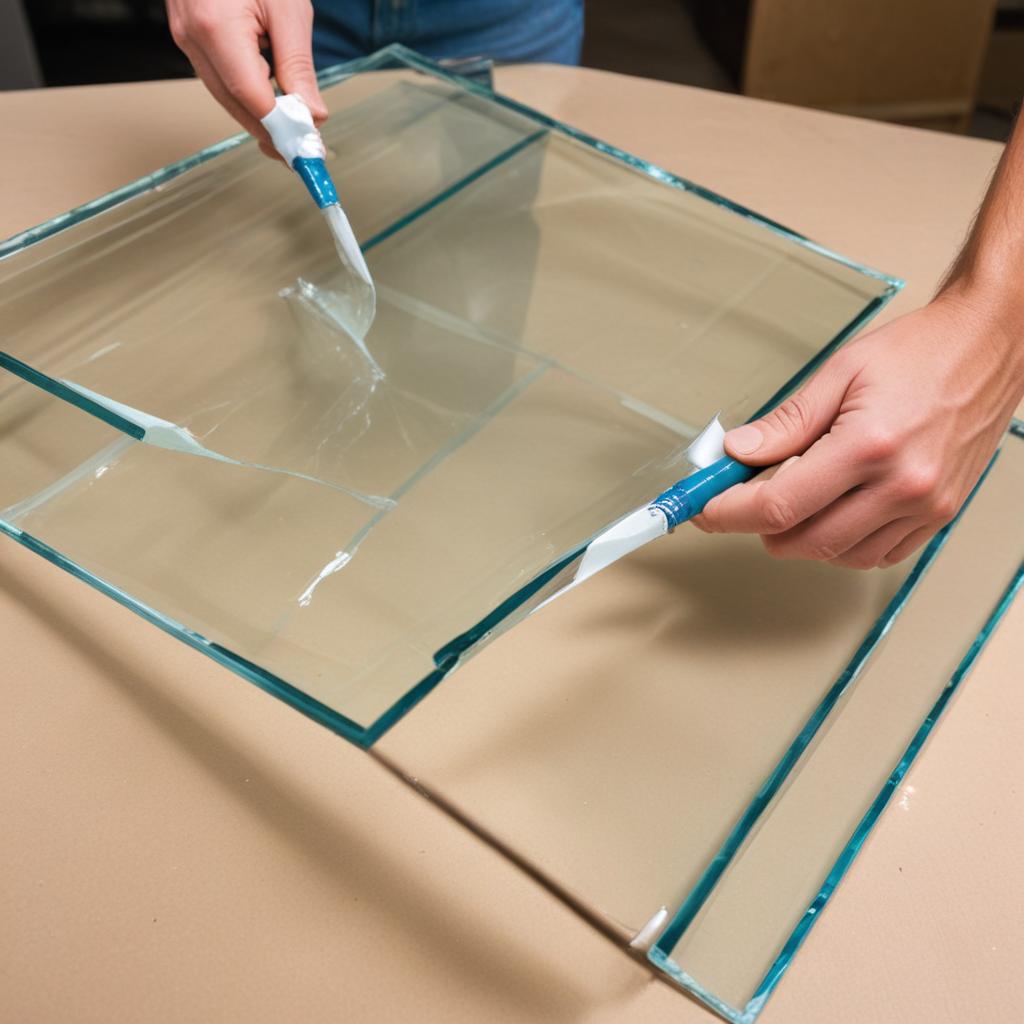
The quest for the perfect adhesive for joining glass panes – or even layering glass – is a surprisingly complex one. For years, various products have been touted as the solution, but the truth is, the optimal choice depends heavily on the specific application, the type of glass involved, and the desired level of durability. It’s not simply about choosing the “strongest” glue; it’s about selecting a product that balances strength, ease of application, and long-term performance. This article delves into the key considerations, exploring different types of adhesives, their pros and cons, and offering practical guidance for achieving a secure and aesthetically pleasing glass bond. We’ll also touch upon factors like substrate preparation and potential challenges, providing a comprehensive overview for anyone tackling this common DIY project.
Understanding the Challenges of Glass Bonding
Before diving into the adhesives themselves, it’s crucial to acknowledge the inherent challenges of glass bonding. Glass is inherently brittle, and dissimilar materials like glass can create stress points. Simply slapping two pieces together isn’t always the most reliable method. Factors like thermal expansion and contraction between the glass and the substrate significantly impact the bond’s stability. Furthermore, achieving a perfectly smooth, seamless joint is often difficult, requiring careful surface preparation. Finally, the aesthetic outcome – a visually appealing and structurally sound bond – is paramount, and this often requires a thoughtful approach to the adhesive selection. Ignoring these factors can lead to weak joints, cracking, and a compromised final product.
Epoxy Adhesives: The Workhorse of Glass Bonding
Epoxy adhesives are consistently ranked as one of the most popular choices for glass bonding due to their exceptional strength, durability, and resistance to chemicals. They form a remarkably hard, chemically inert bond, making them ideal for demanding applications. Epoxy glues typically offer a wide temperature range, allowing for bonding in both warm and cool environments. However, they can be more challenging to apply than some other options, requiring careful mixing and precise application to avoid air bubbles and ensure a complete coating.
- Pros: High strength, excellent chemical resistance, good temperature stability, durable, available in various viscosities.
- Cons: Can be brittle, requires careful mixing, can be messy, potential for odor during application.
- Best For: Structural glass bonding, large-scale projects, applications requiring high durability, and situations where aesthetics aren’t the primary concern.
There are several types of epoxy adhesives suitable for glass bonding, each with its own nuances. “Two-part” epoxies are commonly used, requiring a mixing process to create a homogenous adhesive. “Liquid” epoxies are easier to apply but may require more careful surface preparation. Choosing the right viscosity is critical – too thin, and the bond will be weak; too thick, and it can be difficult to work with. Proper ventilation is essential when working with epoxy adhesives due to the fumes.
Polyurethane Adhesives: A Versatile Alternative
Polyurethane adhesives represent a compelling alternative to epoxy, particularly for projects where a softer, more flexible bond is desired. They offer a good balance of strength, ease of application, and aesthetic appeal. They’re known for their ability to bond dissimilar materials, making them suitable for situations where glass is bonded to wood, metal, or plastic.
- Pros: Good flexibility, good adhesion to a wide range of substrates, relatively easy to apply, good for bonding dissimilar materials.
- Cons: Can be more susceptible to cracking than epoxy, may require a longer curing time, can be more expensive.
- Best For: Decorative glass bonding, projects where a softer bond is preferred, and situations where the glass is in contact with a flexible substrate.
Polyurethane adhesives come in various formulations, including quick-setting and slow-setting options. Quick-setting adhesives cure rapidly, allowing for faster bonding times, while slow-setting adhesives require a longer period to fully harden. The choice of polyurethane adhesive will depend on the specific requirements of the project.
Silicone Adhesives: A Gentle Approach
Silicone adhesives are a popular choice for glass bonding, particularly when a delicate bond is needed and aesthetics are important. They offer a smooth, glossy finish and are known for their excellent flexibility and resistance to temperature fluctuations. Silicone glues are generally less prone to cracking than epoxy or polyurethane adhesives, making them a good option for projects where the glass is exposed to varying temperatures.
- Pros: Excellent flexibility, smooth finish, good temperature resistance, relatively low odor, good for delicate surfaces.
- Cons: Can be more expensive than epoxy or polyurethane, may require longer curing times, can be prone to yellowing over time.
- Best For: Decorative glass bonding, projects where a smooth, glossy finish is desired, and situations where the glass is exposed to temperature changes.
Silicone glues are available in various viscosities and formulations, allowing for customization to suit different bonding needs. They are often used in conjunction with a primer to improve adhesion to certain substrates.
Surface Preparation: The Foundation of a Successful Bond
Regardless of the adhesive you choose, proper surface preparation is absolutely critical. Glass surfaces, in particular, require meticulous cleaning to ensure optimal adhesion. This typically involves removing any dirt, grease, or loose particles with a solvent like isopropyl alcohol. A degreaser is often recommended to ensure a clean, receptive surface. Some adhesives require a primer, particularly when bonding to a metal substrate. A primer creates a hydrophobic surface, which helps to repel water and improve adhesion.
Furthermore, ensuring the glass is perfectly flat and free of imperfections is essential. Minor imperfections can create stress points and compromise the bond. Using a glass smoothing tool can help to level the surface and remove any minor irregularities. A tack cloth is also useful for removing any residual dust or debris.
Considerations for Specific Applications
The best adhesive for glass bonding isn’t a one-size-fits-all solution. Here are some specific scenarios and recommended adhesives:
- Decorative Glass Panels: Silicone adhesives or polyurethane adhesives with a glossy finish are often preferred for their aesthetic appeal.
- Glass in a Window Frame: Epoxy adhesives are typically the most durable choice, providing long-term stability and resistance to weathering.
- Glass in a Shower Door: Polyurethane adhesives offer a good balance of strength and flexibility, suitable for the demanding environment of a shower.
- Glass in a Display Case: Epoxy adhesives are often used due to their high strength and resistance to chemicals.
Troubleshooting Common Bond Issues
Even with careful preparation, bond issues can arise. Here are some common problems and potential solutions:
- Bubbles: Air bubbles can be a significant problem, especially with epoxy adhesives. Ensure thorough mixing and use a squeegee to remove any trapped air.
- Cracking: Stress points, improper surface preparation, or using the wrong adhesive can lead to cracking. Careful consideration of substrate compatibility and proper application technique is crucial.
- Poor Adhesion: Insufficient surface preparation, incorrect adhesive selection, or improper mixing can result in poor adhesion. Re-cleaning the surfaces and ensuring proper mixing are often necessary.
Resources for Further Information
Numerous resources offer valuable insights into glass bonding techniques. Websites like https://www.glassbond.com/ provide detailed information on adhesive selection and application. YouTube channels dedicated to DIY projects often offer helpful tutorials and demonstrations. Finally, consulting with a professional adhesive supplier can provide expert advice tailored to your specific needs.
By carefully considering these factors and selecting the appropriate adhesive, you can achieve a secure, durable, and visually appealing glass bond that will last for years to come.